Mike Tyson's Punch-Out!! for the NES
In 2013, a reporter asked Mike Tyson whether he could beat the video game with his name on it. Tyson, who at 20 had become the youngest heavyweight champion in history, thought about it and said: “I can’t even beat Glass Joe.”
Glass Joe is the first opponent in Mike Tyson’s Punch-Out!!. He’s a Frenchman with a glass jaw, a record of 1 win and 99 defeats, and a habit of dropping his guard to taunt you. He exists so that players can win their first fight. And the most feared boxer on the planet couldn’t get past him.
That’s not even the strangest thing about this game. It was finished before Tyson was in it, he was signed before he was champion, and when his licence ran out Nintendo quietly gave the final boss a new head and carried on. Meanwhile the real star was never Tyson at all: it was a 17-year-old from the Bronx who weighs 107 pounds.
My own fight with Bald Bull, one of the giants on the road to Tyson: round one, and down he goes at 1:44 with Mario starting the count
Me and Mike Tyson’s Punch-Out!!
My Punch-Out!! started in the arcade, not on the NES, with the two-screen machine and a pocketful of 10p pieces. Quite a lot of 10p pieces, in fact, all spent trying to get through to the later fights.
What I remember most is that it stopped being a boxing game fairly quickly. Mashing the punch buttons got you nowhere. The real game was working out the cue: the little tell each opponent gave just before he threw his big attack, and then the split second where you had to dodge and counter. Once you’d spotted it, a fighter who’d been flattening you suddenly went down. Then the next one turned up with a completely different tell, and the 10p pieces started going again. I never did make it through to the final round in the arcade.
So when I played Mike Tyson’s Punch-Out!! on the NES, it felt instantly familiar. It’s the same game underneath: watch, wait, dodge, counter. It’s all on one screen, and Little Mac isn’t a see-through wireframe any more, but the moment an opponent’s eyes flash and you know exactly what’s coming is just the same. It’s number five in my top 10 NES and Famicom games, and I stand by that.
The Story Behind Mike Tyson’s Punch-Out!!
Shrinking a slugger
Punch-Out!! started life in the arcades in 1984, made by Nintendo’s R&D3 team under Genyo Takeda. The arcade machine had two monitors stacked on top of each other: the top one for the scoreboard, the fighters’ portraits and the clock, the bottom one for the fight itself. The boxers were enormous, and your own man was a see-through green wireframe so you could watch your opponent through him. Glass Joe was already there as the first opponent, getting knocked out for a living.
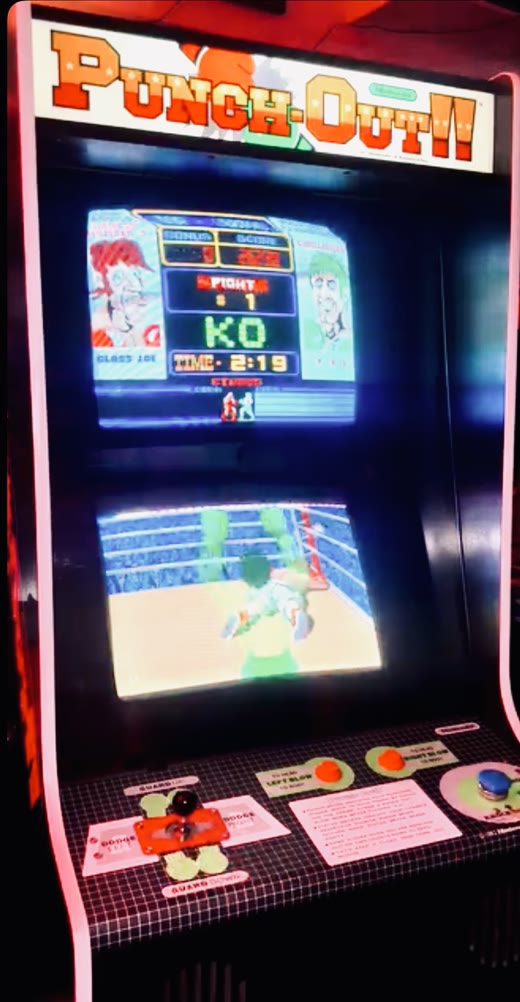
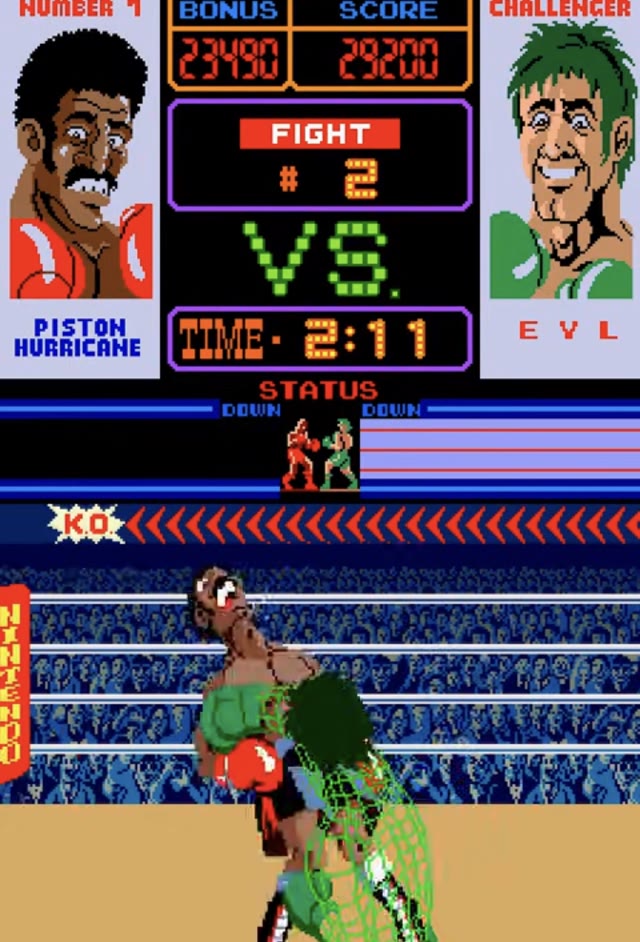
The arcade original: two screens, one fight. Glass Joe going down on the cabinet, and the wireframe challenger catching Piston Hurricane
There was no way the NES could manage anything like it.
So Takeda’s team did the sensible thing and made the player smaller. Much smaller. The hero became Little Mac, a 17-year-old from the Bronx who weighs about 107 pounds (he was very nearly called “Peter Punch”), seen from behind so you can watch your opponent over his shoulder. Every boxer he meets is at least twice his size.
That one decision turned the game into something different from the arcade original. Little Mac can’t out-muscle anybody, so the game becomes about watching. Every opponent has tells: a twitch of the eyebrow, a flash of the eyes, a little shuffle before the big punch. Learn them, dodge at the right moment and counter, and even the giants go down. It’s less a boxing game than a memory test that hits back, and it’s why people still talk about individual fights nearly forty years later.
You’ve also got a trainer, Doc Louis, who gives you advice between rounds and goes out running with you through the streets of New York between circuits, with Little Mac in a pink tracksuit. The referee, if you look closely, is Mario.
A champion on the box
The Tyson part came from Minoru Arakawa, the boss of Nintendo of America. He went to one of Tyson’s fights, was struck by what he called his “power and skill”, and decided the NES version should have Tyson in it as the final opponent.
The deal is usually reported as $50,000 for three years, although that figure has never been confirmed. Either way it was a gamble, because it was struck before Tyson had won anything: he only took the WBC title from Trevor Berbick in November 1986. By the time the game came out in North America in October 1987, he’d unified the belts and was the most famous fighter in the world. As bets go, Nintendo had backed the right horse.
The game that existed before Tyson
The odd thing is that the game didn’t need him. A month before the Tyson version came out, Nintendo in Japan had already released Punch-Out!! as a prize: a gold-coloured cartridge, about 10,000 copies, handed out to winners of a Famicom golf tournament. It’s the same game, except the final opponent is Super Macho Man, the preening beach bodybuilder who’s the last boxer before Tyson in the normal game. Tyson was bolted on top.
Mr. Dream
In February 1990, Tyson lost his titles to James “Buster” Douglas in Tokyo, in one of the biggest upsets in boxing history. The same year, Nintendo’s licence ran out, and Nintendo didn’t renew it.
So they did what you’d do if you had a finished game and an expensive face you no longer needed: they changed the face. From August 1990 the cartridge became plain Punch-Out!!, and the final boss became Mr. Dream, a made-up boxer with Tyson’s body, Tyson’s moves and a different head. Everything else stayed the same. Mr. Dream is the version you get in every official re-release since, including Nintendo Switch Online, and Tyson has made it fairly clear over the years that he doesn’t think much of it.
What They Said at the Time
In Britain, where home computers ruled and the NES was very much the underdog, the big reviews came in 1989, when the magazines started giving consoles proper attention. Punch-Out!! did very well out of them. Computer and Video Games gave it 94% in its Complete Games Guide and couldn’t find enough superlatives:
“Big, brilliantly drawn and animated sprites, a brilliant control method and utterly superlative gameplay… definitely THE best boxing game available on any machine.” — Computer and Video Games, Complete Games Guide, 1989
ACE gave it 920 out of 1,000 in November 1989, made it the second-highest rated NES game after Super Mario Bros., and managed a backhanded compliment to Nintendo at the same time:
“Even if Nintendo’s hardware may be technologically naff, they can still squeeze an excellent game onto a cartridge.” — ACE, November 1989
Tyson himself was on the magazines’ minds that year too, for other reasons. In April 1989 the front of C+VG joked that the computer game Weird Dreams had “nearly as much hype as the Bruno Tyson fight”, Frank Bruno having lasted into the fifth round against him in Las Vegas a few weeks earlier. Which, it’s fair to say, is longer than most players manage.
In America it sold over two million copies by the end of 1988, one of only two NES games to do so that year. The other was The Legend of Zelda.
In the Culture
The characters got further than most 8-bit sprites. King Hippo, the boxer who drops his shorts when you hit him in the face (it’s the only way to get at his belly), turned up as one of Mother Brain’s henchmen in the Captain N: The Game Master cartoon. In Family Guy, Peter Griffin asks God for “cheat codes for Mike Tyson’s Punch-Out”, having been “stuck on Bald Bull for 4 years”, which will ring a bell with anyone who’s met Bald Bull’s charge. And in Brooklyn Nine-Nine, a suspect explains his technique for Great Tiger with the immortal line: “You just punch him when he gets dizzy.”
The best one, though, is from 2014, when Jimmy Fallon got Tyson to play the game live on The Tonight Show. The video game Tyson beat the real one by a TKO in the first round. Tyson, to his credit, has never pretended otherwise. “I’m a late bloomer,” he told TMZ. “I started playing video games in 2006–2007.”
The Road to Tyson: Who You Have to Beat
Before you get anywhere near Tyson, Little Mac has to fight his way through three circuits: the Minor Circuit, the Major Circuit and the World Circuit. That’s ten different boxers, several of whom come back for a rematch with new tricks. Each one is a little puzzle, and each one has a tell.
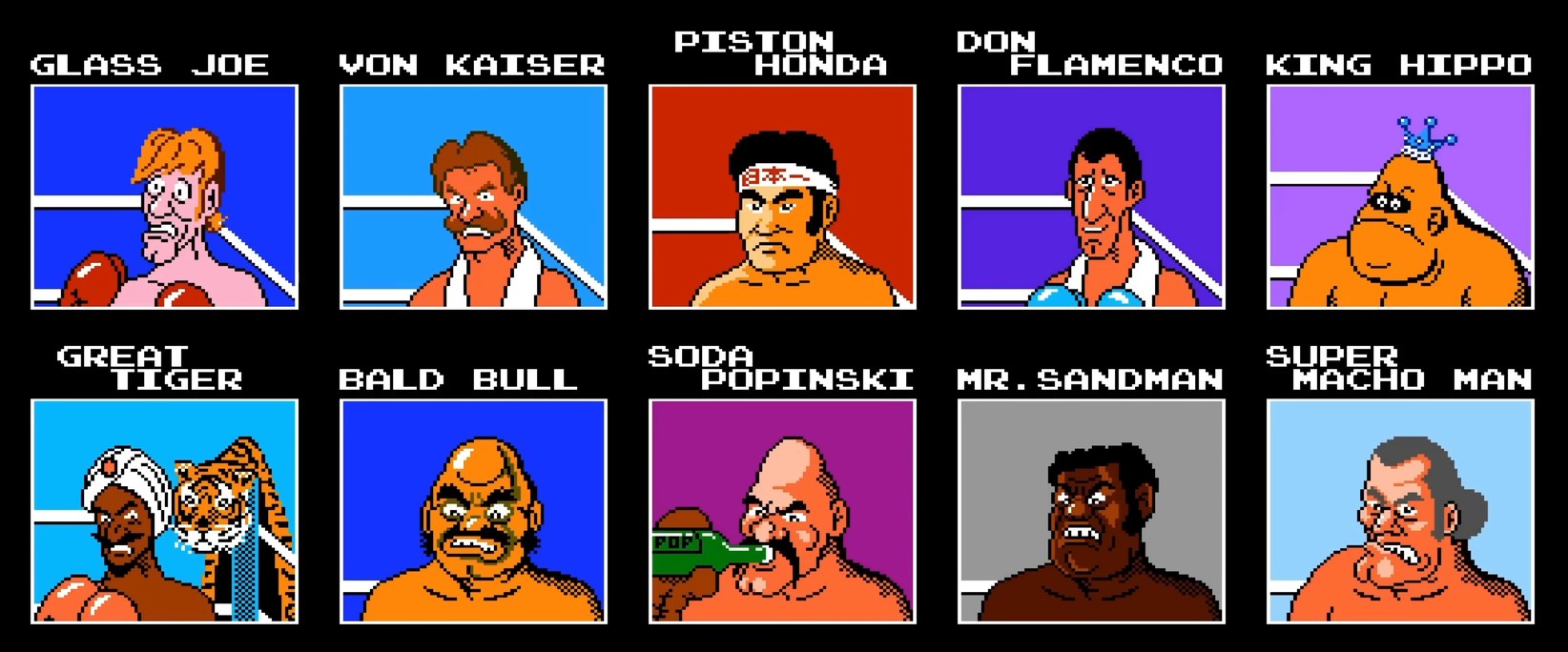 The road to Tyson: all ten opponents, in the order you meet them
Glass Joe (Minor Circuit)
The Frenchman from Paris, and the warm-up act. His big move is a taunt: he backs off, shuffles his feet and then steps back in with a big left. Punch him in the face just as he comes forward and he goes down. He’s quick to get up, mind you, so save a star uppercut for when he does. If you can’t beat Glass Joe, you’re in good company.
Von Kaiser (Minor Circuit)
A 42-year-old German from Berlin, which tells you something about the quality of Little Mac’s early opposition. His danger is an uppercut, and he gives it away by crouching first. When he bends down, dodge and hit him in the body, and once he’s dazed a star uppercut puts him on the canvas.
Piston Honda (Minor Circuit, and again in the World Circuit)
The Minor Circuit champion, from Tokyo, and the first real test. His eyebrows twitch before his ordinary punches, so dodge and counter those. His speciality is the Honda Rush: he jumps back, does a little dance, then charges in with a flurry of jabs. Hit him with a punch just as he arrives and the whole thing collapses. In the rematch he’s quicker and far less forgiving.
Don Flamenco (Major Circuit, and again in the World Circuit)
The Spaniard from Madrid, who’d rather you made the first move. Throw a punch, and he answers with the uppercut he shows off in his entrance. Dodge that and he’s wide open: a steady stream of alternating left and right punches to the head can keep him reeling until he goes down. The rematch adds a straight punch and a jab, so it’s less of a one-trick fight.
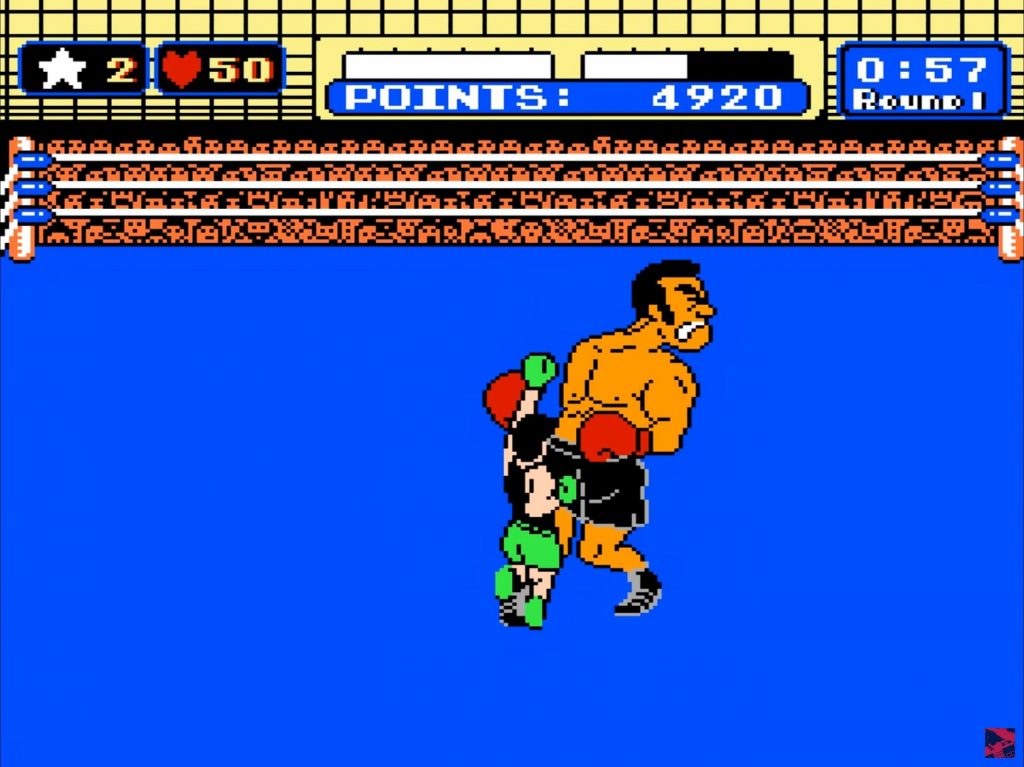 Little Mac getting one in on Don Flamenco in round one
King Hippo (Major Circuit)
The one everybody remembers. His belly is out of reach and his gloves cover his face, so you can’t hurt him at all until he opens his mouth to throw a punch. Hit him in the mouth at that moment, his guard drops, and you can pummel the taped-over navel while his shorts start to slip. He’s the only boxer in the game who never gets up once he’s down.
Great Tiger (Major Circuit)
From Mumbai, with a tiger skin hanging in his corner. The jewel in his turban flashes just before he throws a jab, so dodge and hit him in the face. Later in the fight he crouches for uppercuts and launches a flurry of magic punches that ends with his Tiger Punch, and that’s where most players lose their hearts. Punch him as he crouches to earn a star.
Bald Bull (Major Circuit, and again in the World Circuit)
The Major Circuit champion, from Istanbul, and the first boxer who can end a fight in one hit. His Bull Charge sees him hop backwards, then bounce forward across the ring with a punch that puts you straight down if it lands. Time a body blow just as he arrives and he goes down instead. In the first fight a photographer in the crowd fires a flash at exactly the right moment, which is Nintendo being kind. In the rematch, there’s no such help.
Soda Popinski (World Circuit)
A huge Russian from Moscow who can throw uppercuts all day. There’s no trick to him so much as stamina: dodge everything, counter every opening, and keep your hearts topped up. He’s the fight where sloppy dodging really starts to cost you.
Mr. Sandman (World Circuit)
The World Circuit’s heavy hitter from Philadelphia, and the hardest fight before the last two. He opens with quick jabs you can counter, but his speciality is the Dreamland Express: three uppercuts in a row, any one of which can put you down. Dodge all three, then get your own punches in before he covers up again.
Super Macho Man (World Circuit champion)
The preening bodybuilder from Hollywood, and the last fight before Tyson. He stands still before his Super Spin Punch, so when he goes quiet, get ready to dodge. Sometimes it’s one spin, sometimes a long series of them, and a clean hit can knock you down on the spot. Dodge each spin as it comes, then counter when he stops. Beat him and you’ve earned the right to fight Tyson. Which, as rewards go, is debatable.
Playing Mike Tyson’s Punch-Out!! Today
The easy way is Nintendo Switch Online, although that’s the Mr. Dream version. To fight Tyson himself you need an original Mike Tyson’s Punch-Out!! cartridge, and they still turn up second-hand.
A few tips, and a couple of secrets:
- Watch, don’t swing. Every opponent tells you what’s coming. Glass Joe pulls right back before his big hook, and most of the others have a twitch, a flash or a shuffle that gives the game away. Dodge, then counter.
- Stars matter. Landing a punch at the right moment (usually just as an opponent opens up or taunts) earns a star, and a star buys you an uppercut that does enormous damage. Getting hit takes it away again.
- Hearts are stamina. Get hit or blocked and you lose hearts. Run out and Little Mac goes pink and can’t punch until he gets his breath back.
- Don’t get knocked down too often. Three knockdowns in one round is a TKO, and over a whole fight Little Mac can only get up three times.
- The famous password. Enter 007 373 5963 on the password screen and you go straight to the fight with Tyson (or Mr. Dream). It was swapped in playgrounds for years by people who’d never got past Bald Bull.
- The helpline. Enter 800 422 2602, Nintendo of America’s old customer service number, and you’ll hear a phone busy tone. Someone at Nintendo had a sense of humour.
Tyson himself is a different matter. For the first minute and a half his uppercuts knock you down in one hit, and he barely telegraphs them. The speedrunner Summoning Salt beat him in about two minutes after, by most accounts, tens of thousands of attempts, and has also completed the whole game blindfolded in under 20 minutes, which says something about how well the patterns are worth learning.
Mike Tyson’s Punch-Out!! FAQ
What is the password to fight Mike Tyson?
Enter 007 373 5963 on the password screen and you go straight to the final fight. In the later Mr. Dream version, the same code takes you to Mr. Dream instead.
Why was Mike Tyson taken out of Punch-Out!!?
Nintendo’s licence to use his name and face ran out in 1990, the same year he lost his titles to Buster Douglas, and Nintendo didn’t renew it. The game was reissued as plain Punch-Out!!, with a made-up final boss called Mr. Dream who has Tyson’s moves and a different head.
Who is the hardest opponent before Tyson?
For most players it’s one of the last two on the World Circuit: Mr. Sandman, whose Dreamland Express is three uppercuts in a row, or Super Macho Man, whose spinning punch can put you straight down. Bald Bull’s rematch, without the photographer’s flash to help, catches out plenty of people too.
How do you beat Mike Tyson in Punch-Out!!?
Survive the first minute and a half, when his uppercuts knock you down in one hit, by dodging rather than blocking. After that he settles into patterns you can learn, dodge and counter, like everyone else. It takes a lot of practice, and nobody will think less of you for using the password to practise.
Can you play Mike Tyson’s Punch-Out!! on Nintendo Switch?
Yes and no. Punch-Out!! is in the Nintendo Switch Online NES library, but it’s the Mr. Dream version. To fight Tyson himself you need an original cartridge.
Did Mike Tyson ever beat his own game?
By his own account, no. “I can’t even beat Glass Joe,” he told TMZ in 2013, and when Jimmy Fallon got him to play it on The Tonight Show in 2014, the video game Tyson won by a TKO in the first round.
The Legacy of Mike Tyson’s Punch-Out!!
Some of the characters haven’t aged well. Most of the roster are national caricatures, and King Hippo and Great Tiger in particular are the sort of thing you’d wince at today. But underneath that it’s still one of the best-designed games on the NES: a handful of simple controls, a dozen or so opponents who each teach you something, and a final boss who is genuinely terrifying.
The sequels
Little Mac’s next big fight was on the SNES. Super Punch-Out!! (1994) went back towards the arcade: a see-through player boxer again, bigger and brighter sprites, and a new roster with a few old faces such as Bald Bull and Super Macho Man. There was no famous name on the box this time, which after the Tyson business you can hardly blame Nintendo for.
Then the series went quiet until 2009, when the Wii got Punch-Out!!, made for Nintendo by Next Level Games. It brought back most of the NES roster, Doc Louis included, redrawn in a chunky cartoon style, and it’s probably the best way to show someone why the NES game mattered: you could even hold the Wii Remote sideways like an NES pad. It’s also, so far, the last Punch-Out!! game.
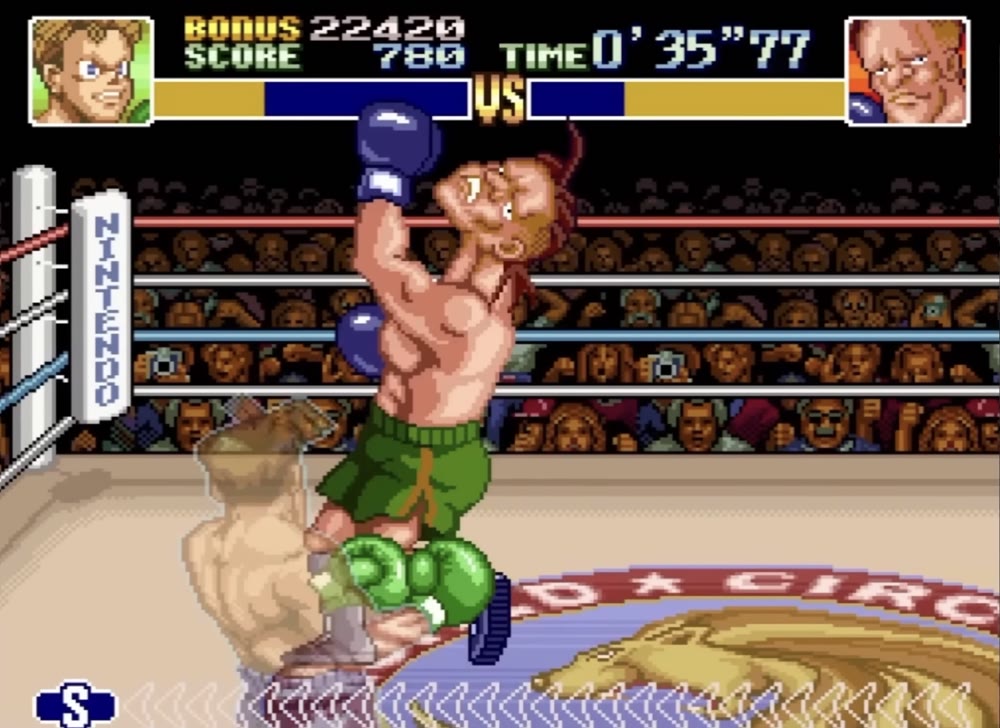
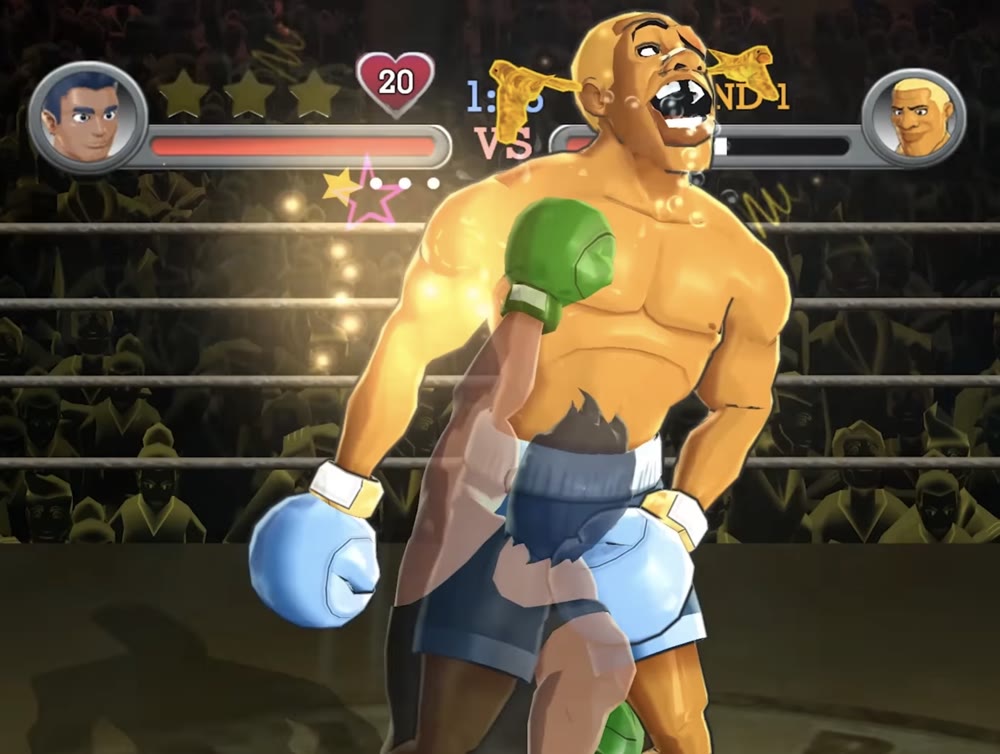
The sequels: Super Punch-Out!! on the SNES (left) and Punch-Out!! on the Wii (right)
Little Mac himself has gone on to bigger things. He turned up as a helper character in Super Smash Bros. Brawl in 2008, then became a proper fighter in Super Smash Bros. for Nintendo 3DS and Wii U in 2014 and in Super Smash Bros. Ultimate. True to form, he’s brilliant on the ground and hopeless in the air, and he has a power meter that fills up until he can throw one enormous KO punch.
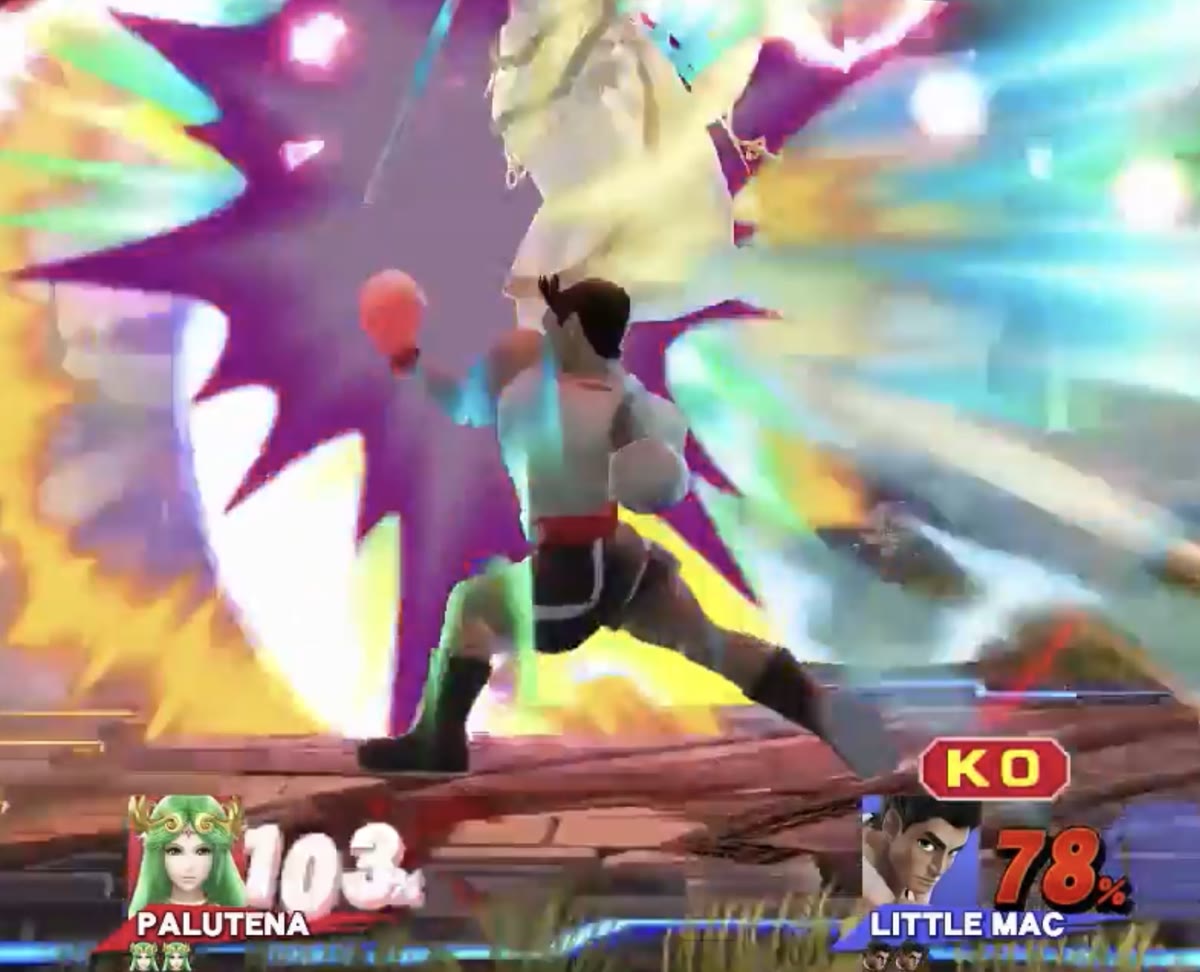 Little Mac in Super Smash Bros., landing his KO punch on Palutena
The last bell
Nintendo built a game about a 107-pound underdog taking on giants, put the most dangerous man in boxing on the box to sell it, and then took him off again when he stopped being champion. Little Mac kept his job. Tyson, by his own account, still can’t get past Glass Joe.
If you want to see where Little Mac sits among the rest of the system’s greats, he’s number 5 in my list of the best NES games.
Sources
- Computer and Video Games and ACE review quotes: as quoted on Wikipedia
- C+VG “Bruno Tyson fight” cover line: issue 90, April 1989 (scan on the Internet Archive)
- Mike Tyson quotes: TMZ, 2013, as reported by Nintendo Life and Complex
- Minoru Arakawa’s “power and skill”: as quoted on Wikipedia
- Family Guy and Brooklyn Nine-Nine lines: as quoted on Wikipedia
More like this
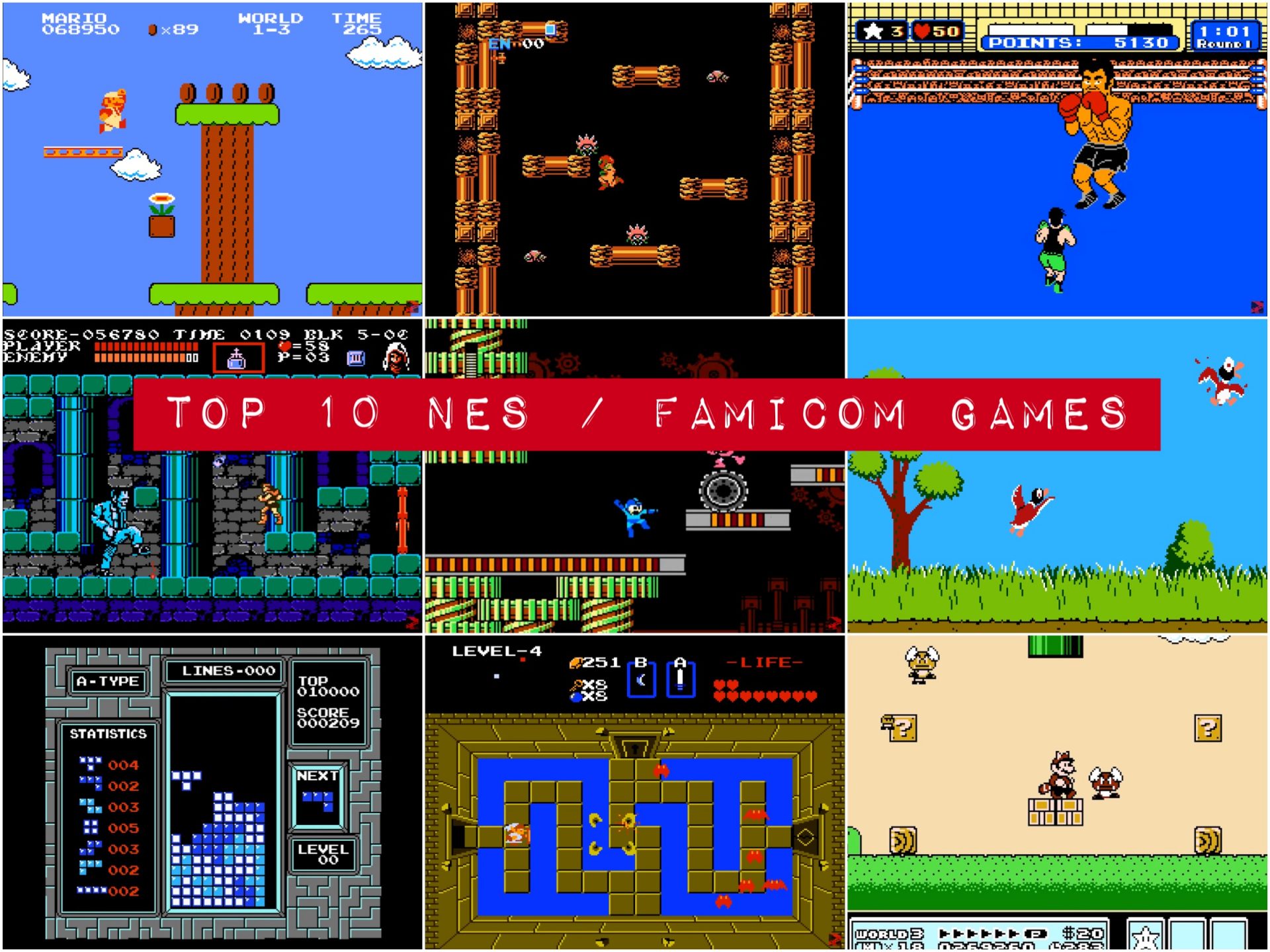
The 10 Best NES Games of All Time
The best NES games ranked, from Mega Man 2 and Castlevania to Zelda, Metroid and Super Mario Bros., with Famicom dates and a few honourable mentions.
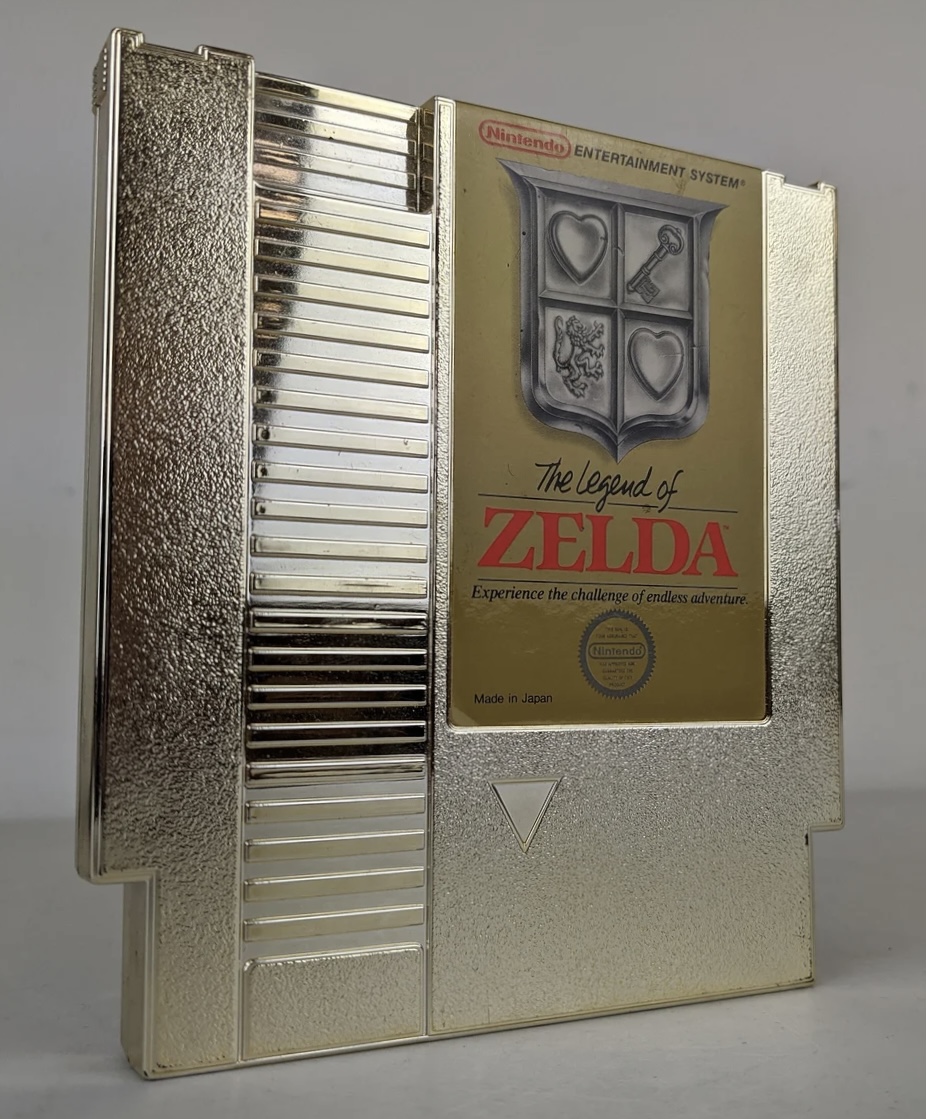
Legend of Zelda for the NES - The Best Video Game Media
Nintendo struck gold-plated plastic with the Legend of Zelda cartridge for the NES/Famicom system - a time when physical game media ruled!
Comments