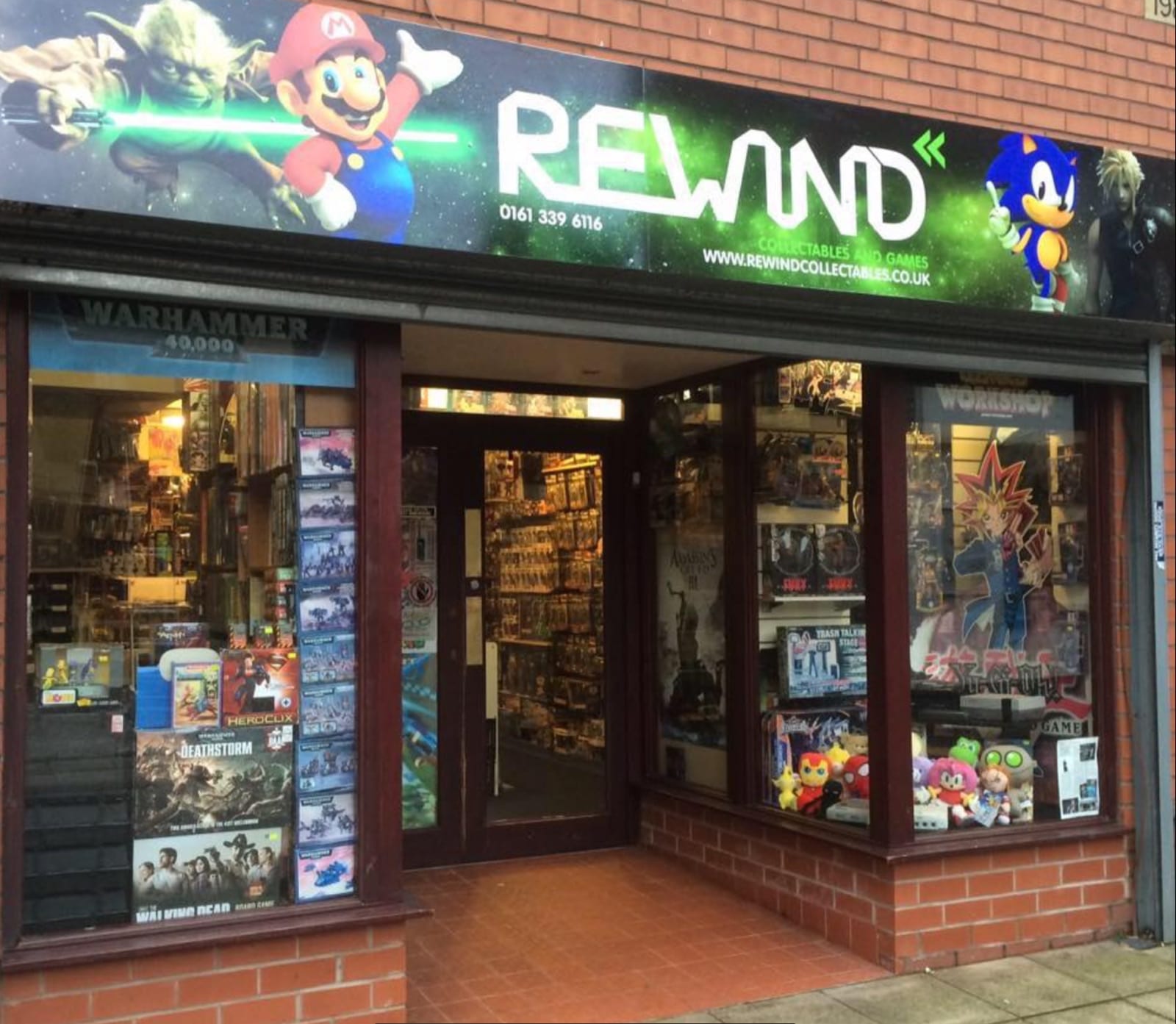
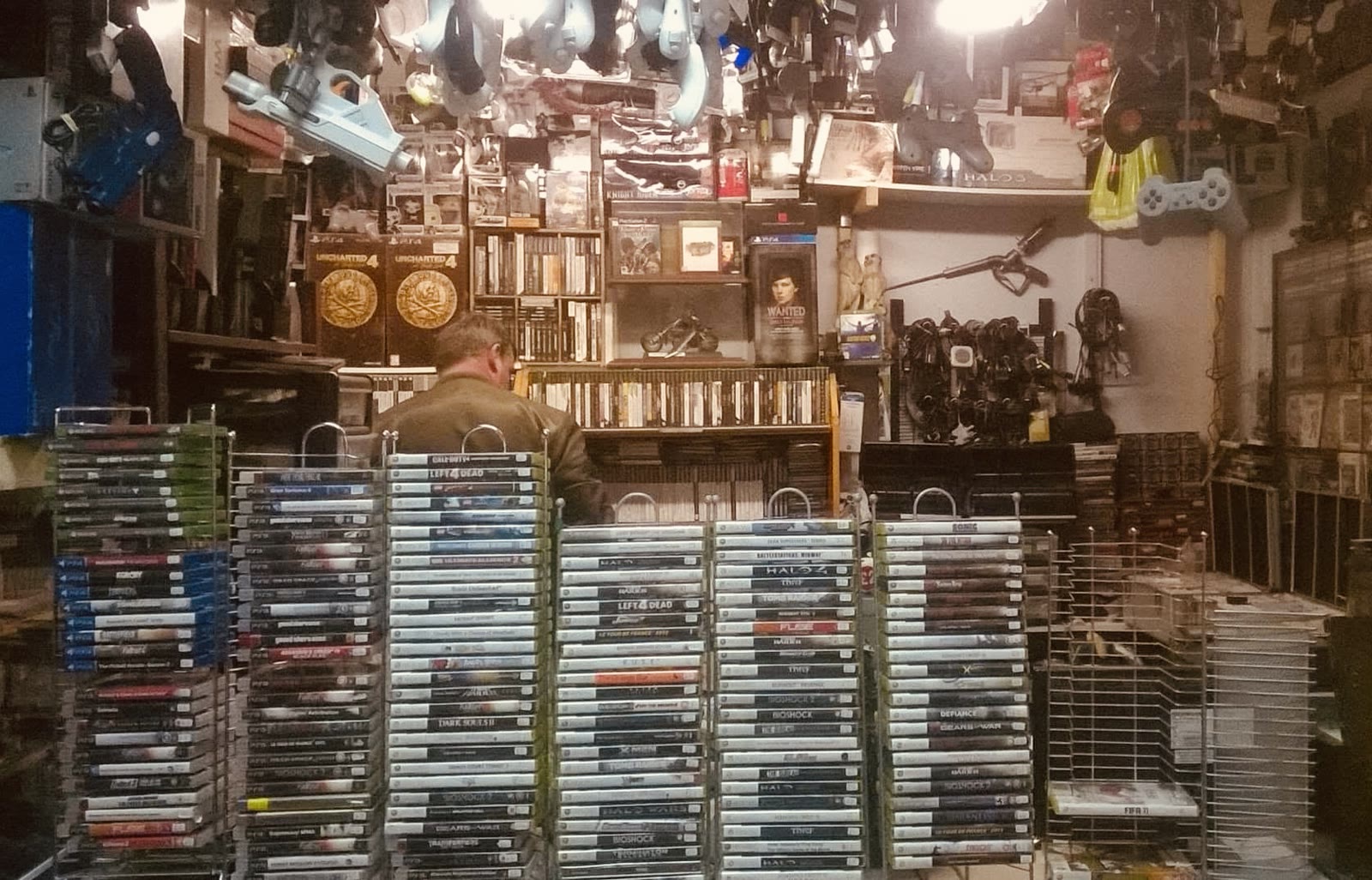
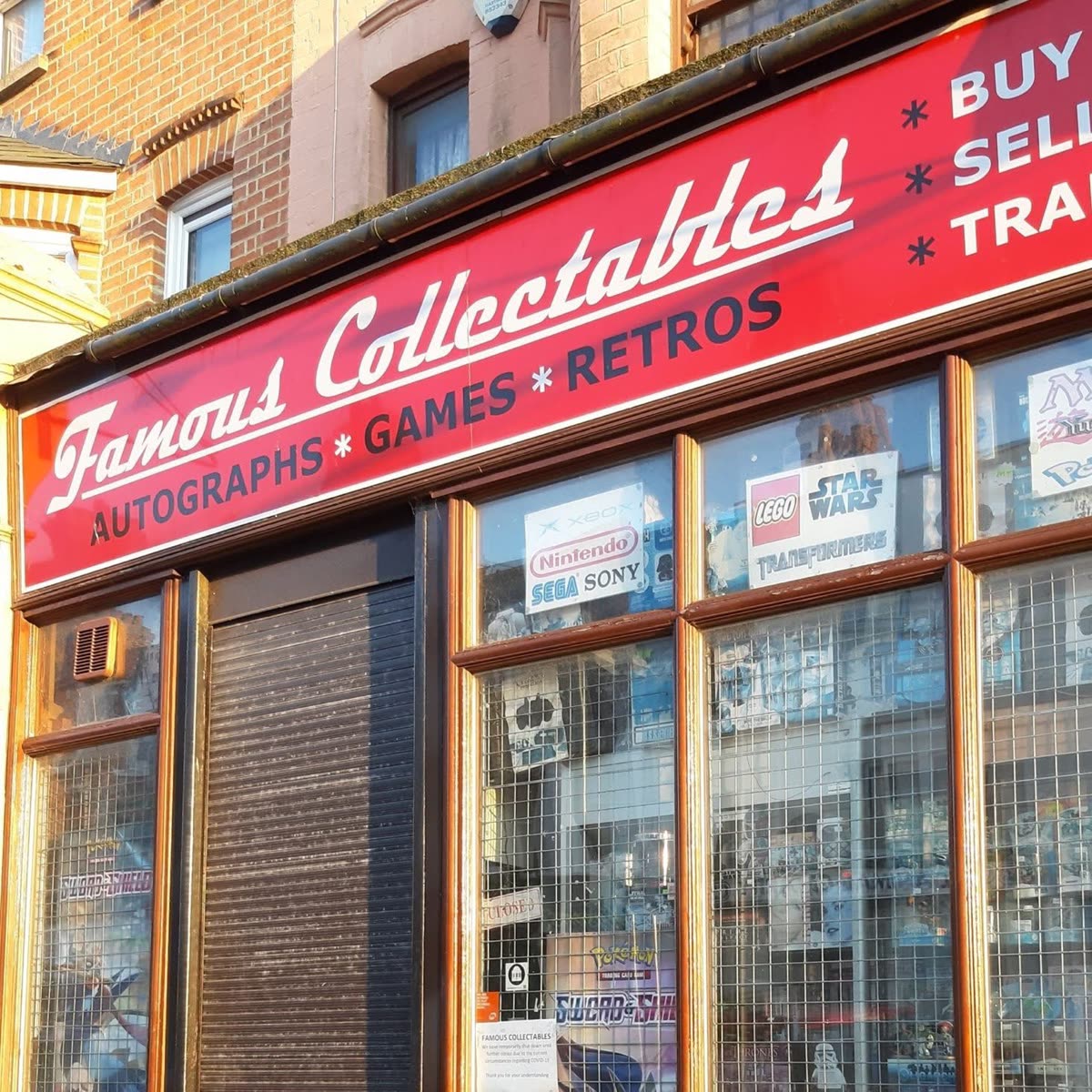
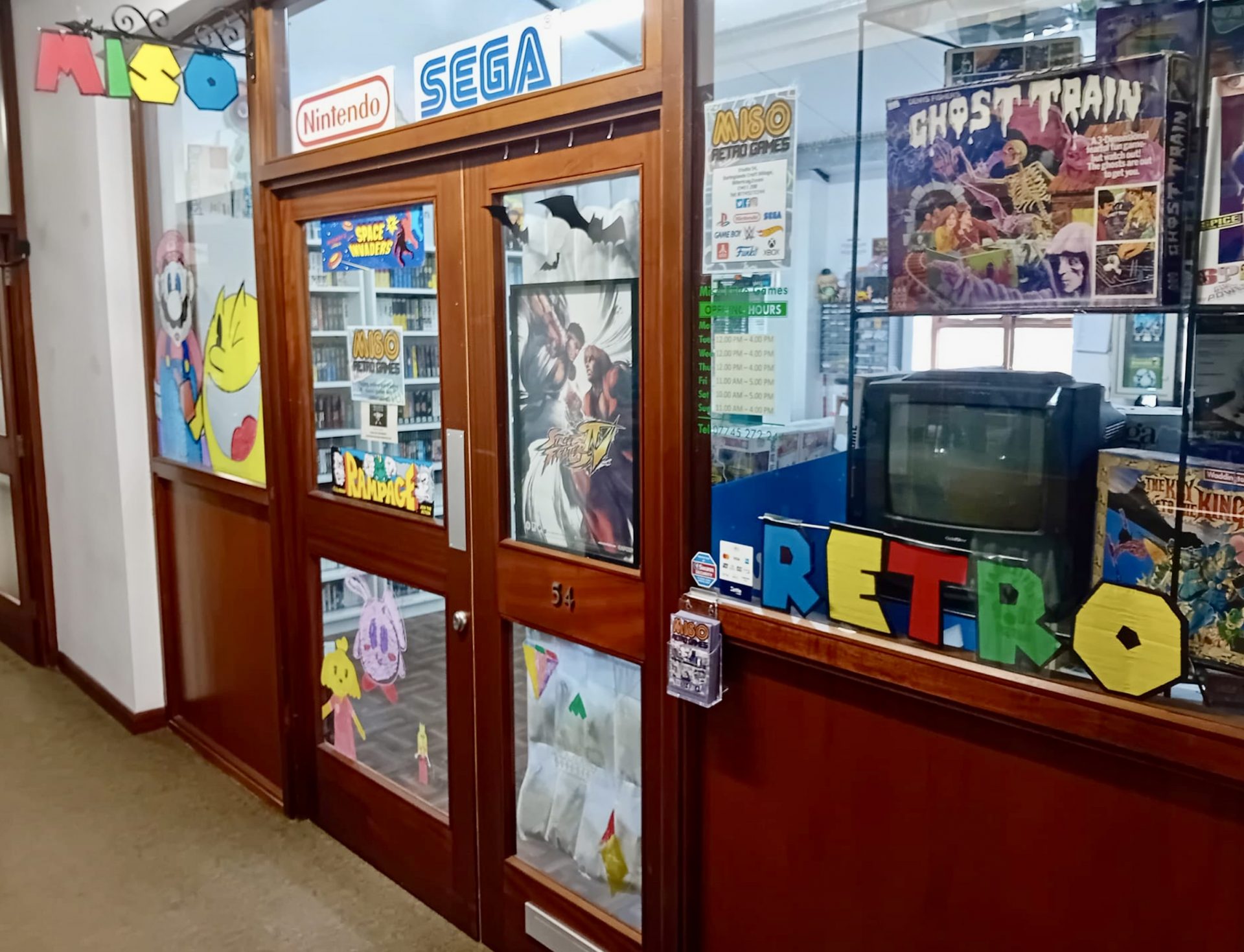
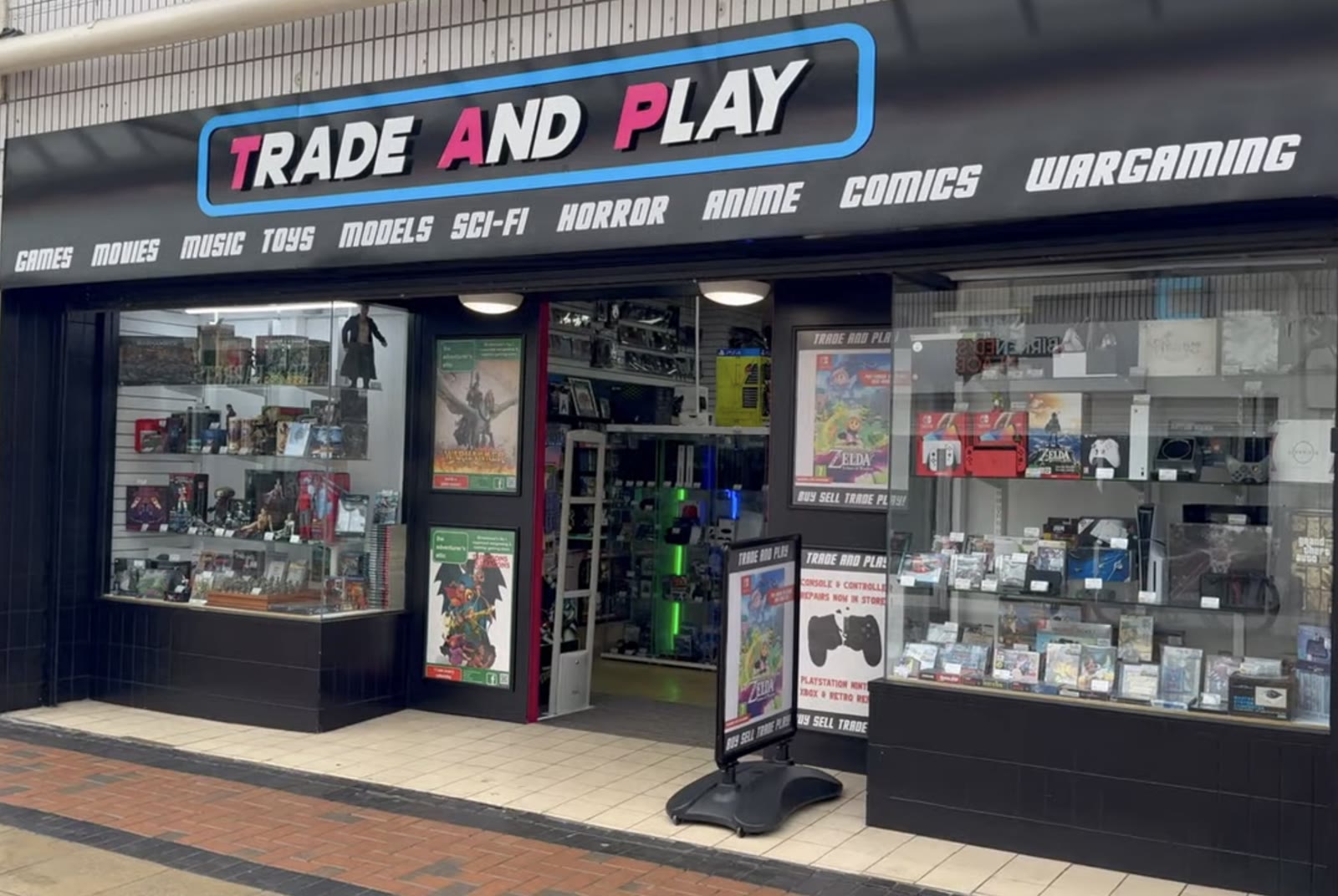
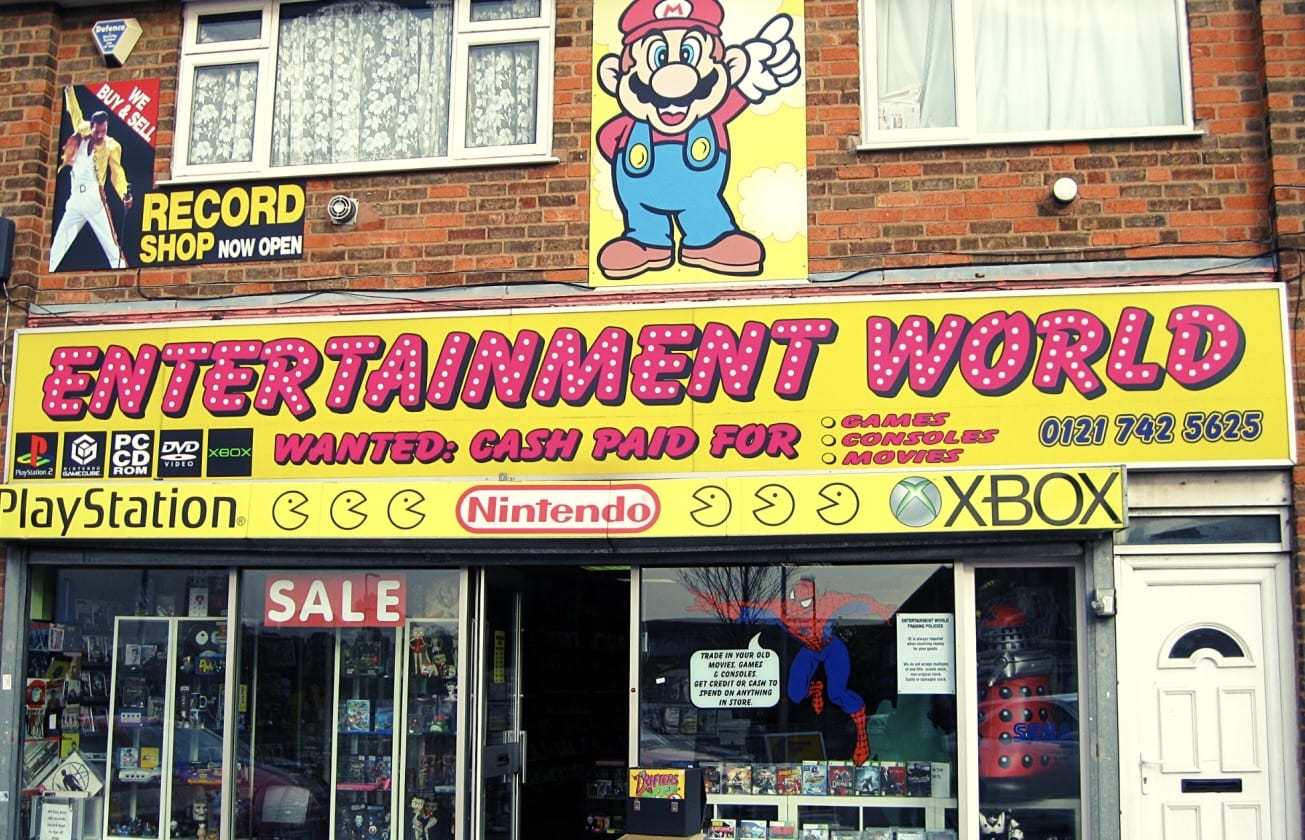
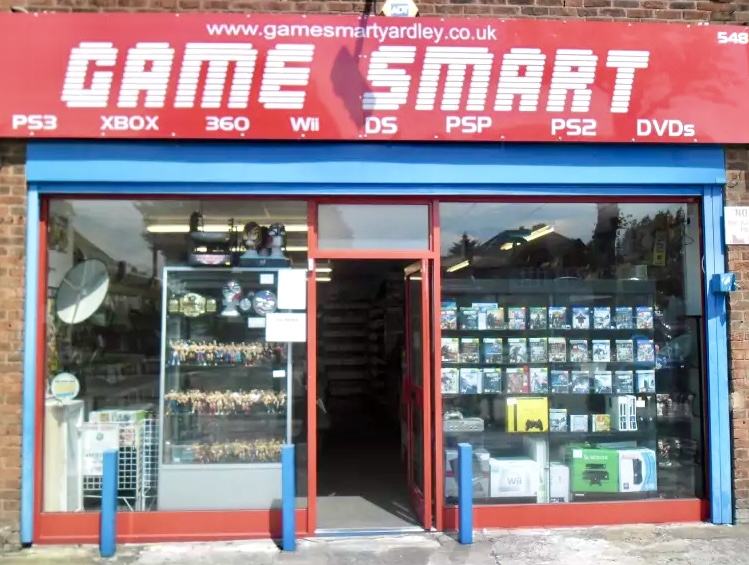
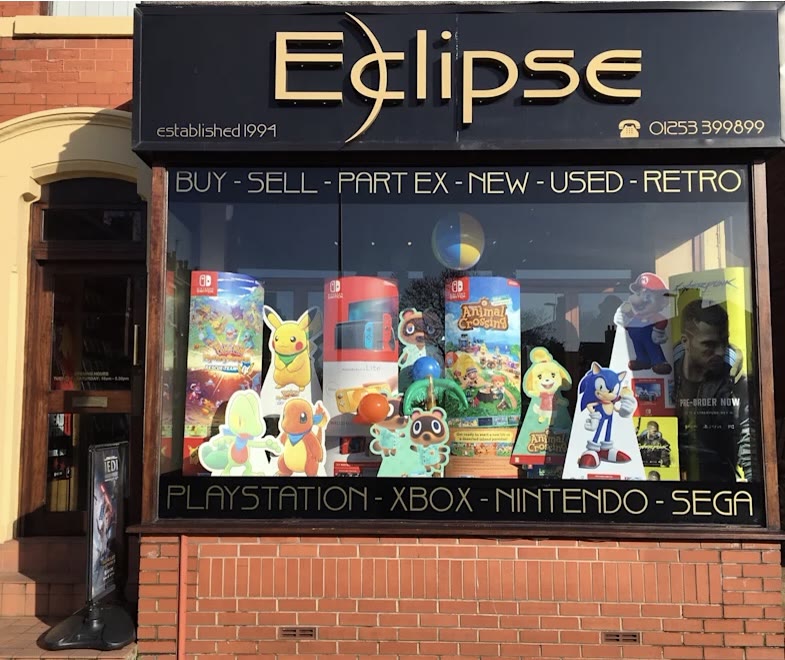
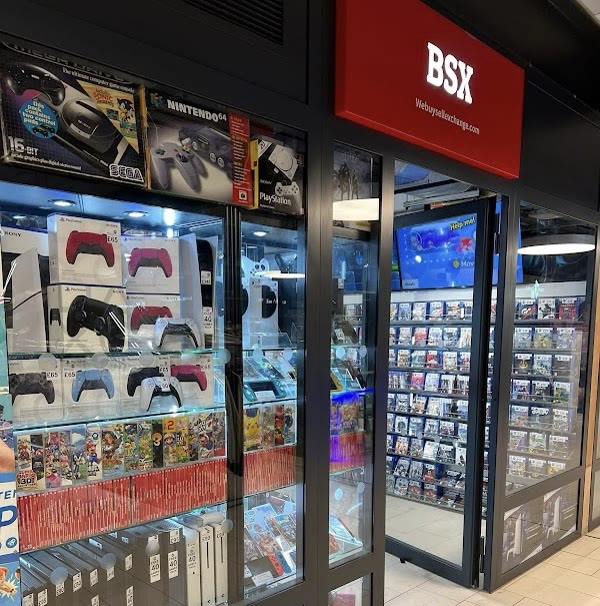
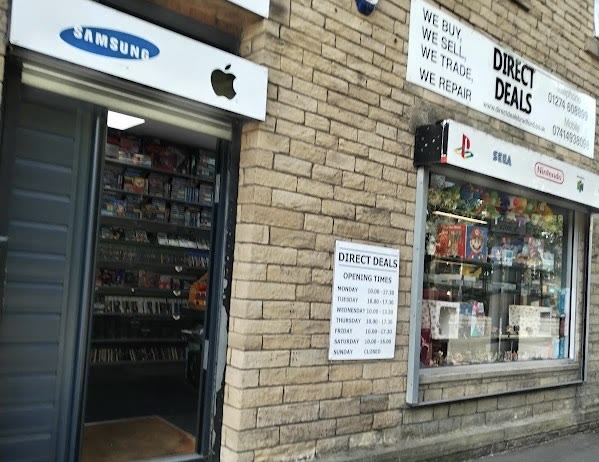
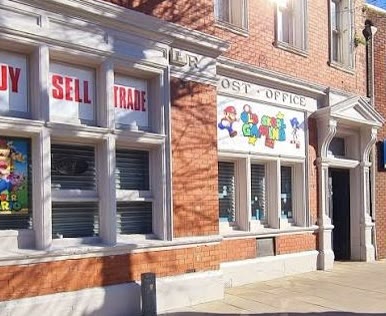
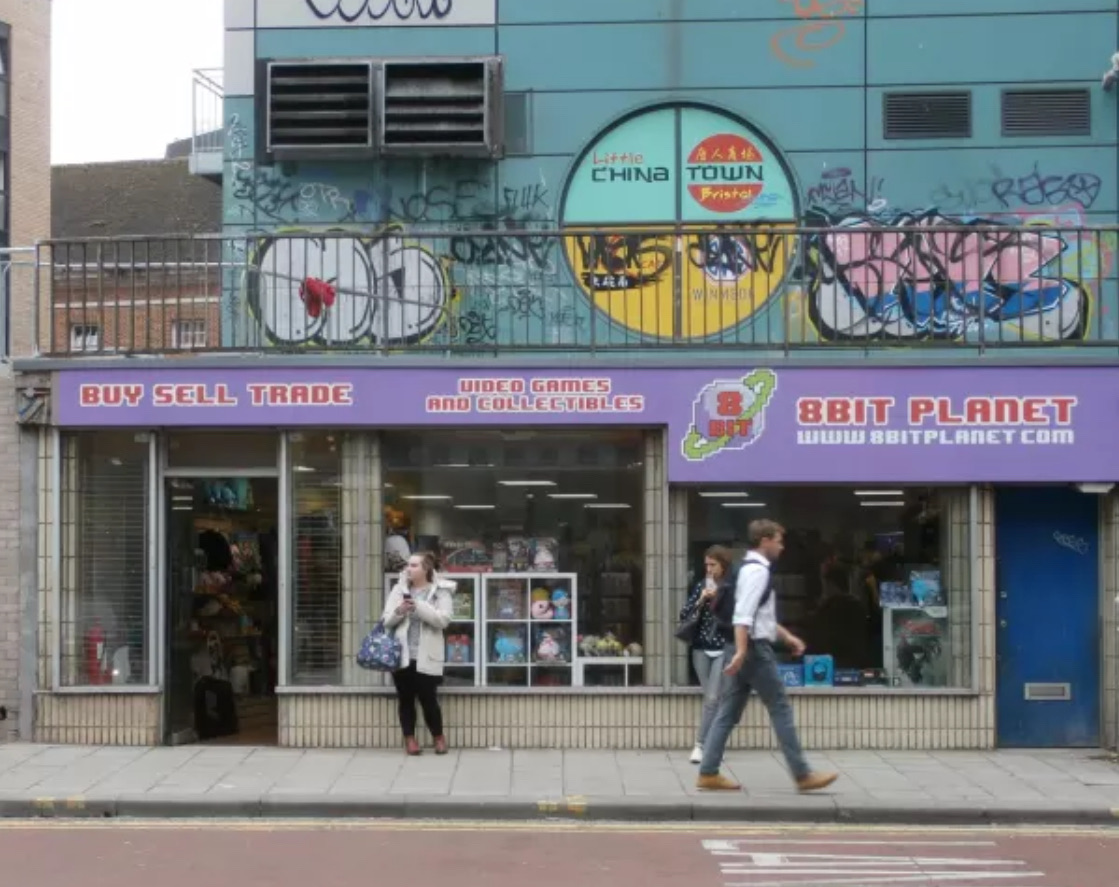
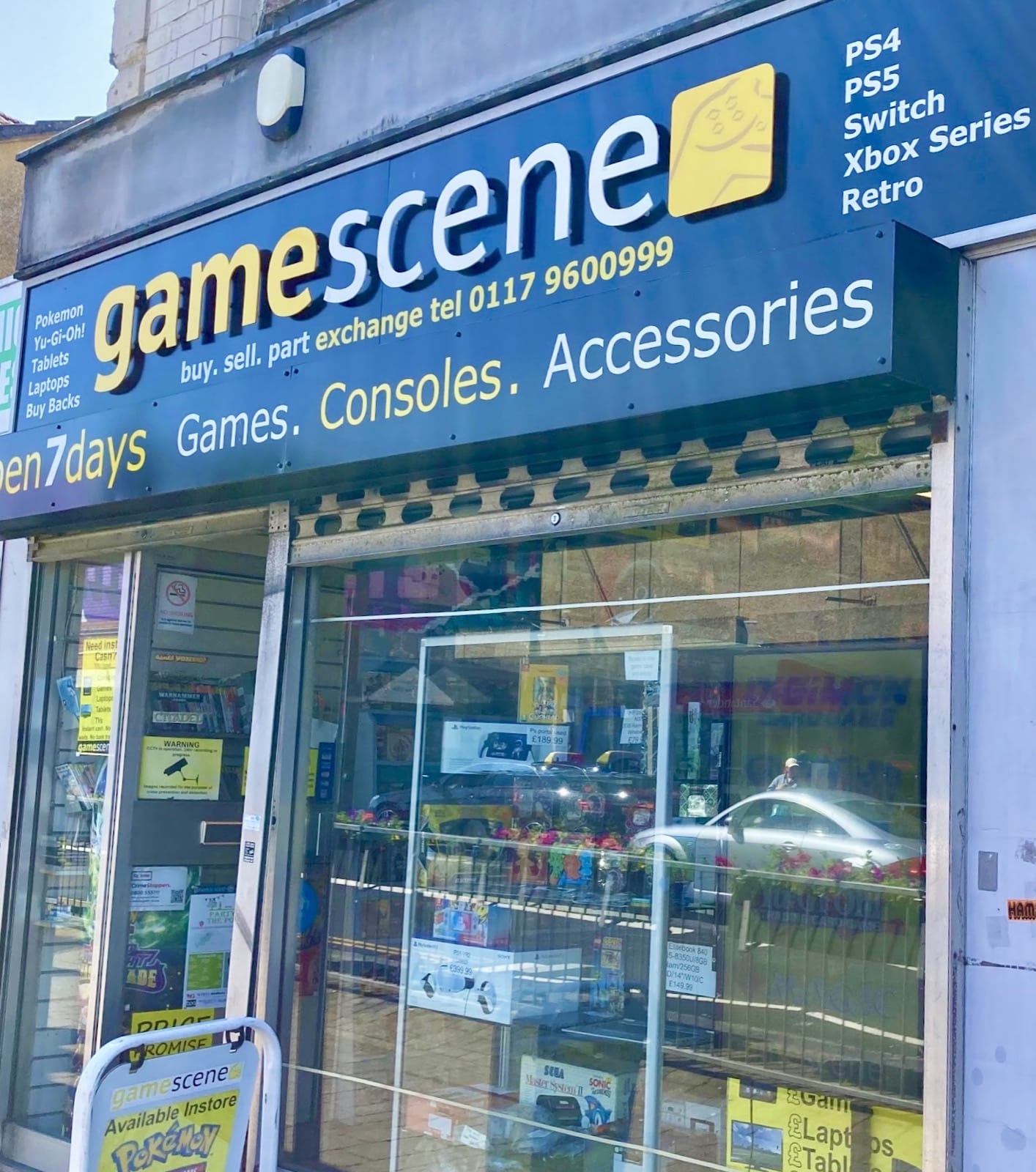
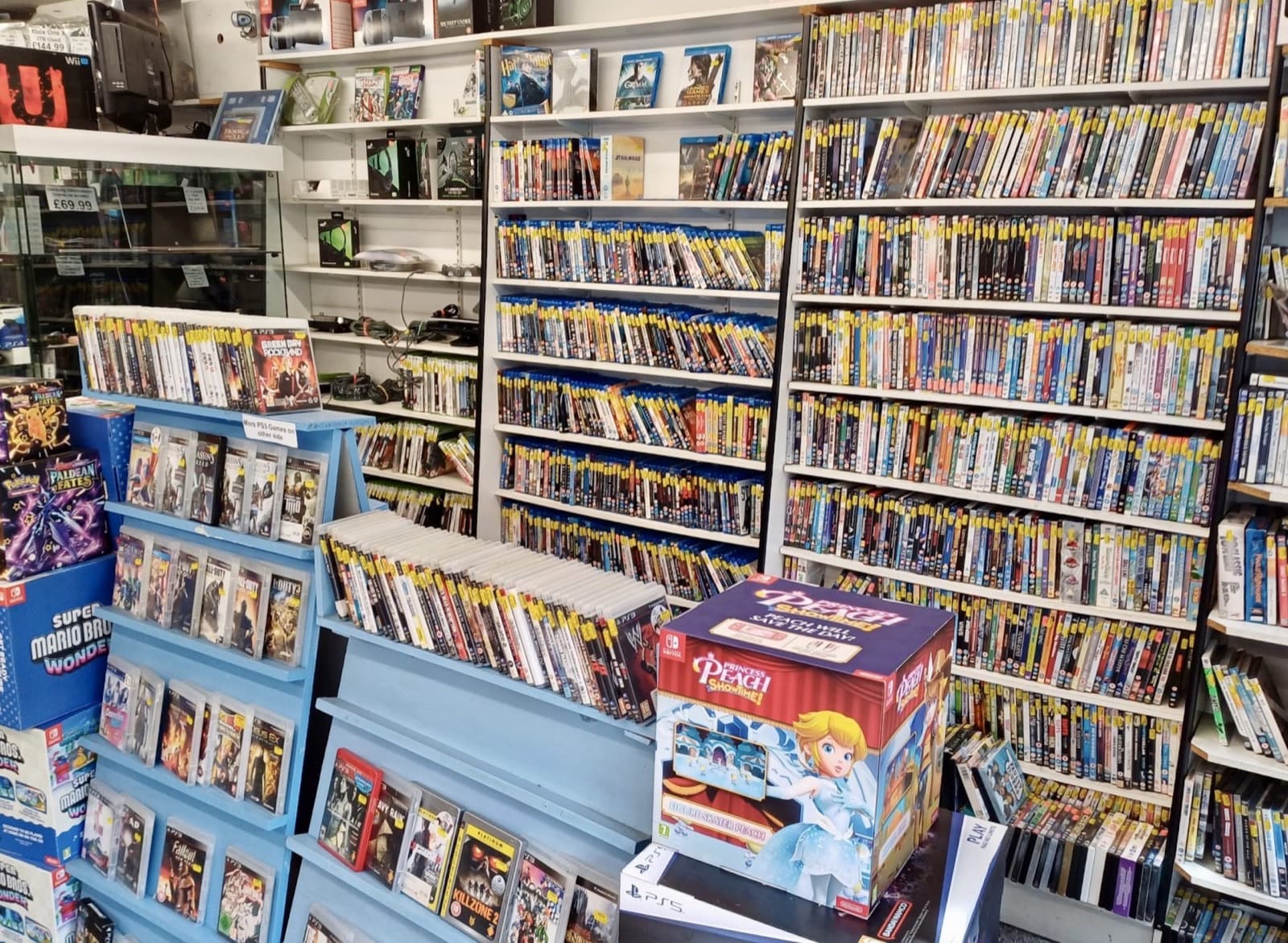
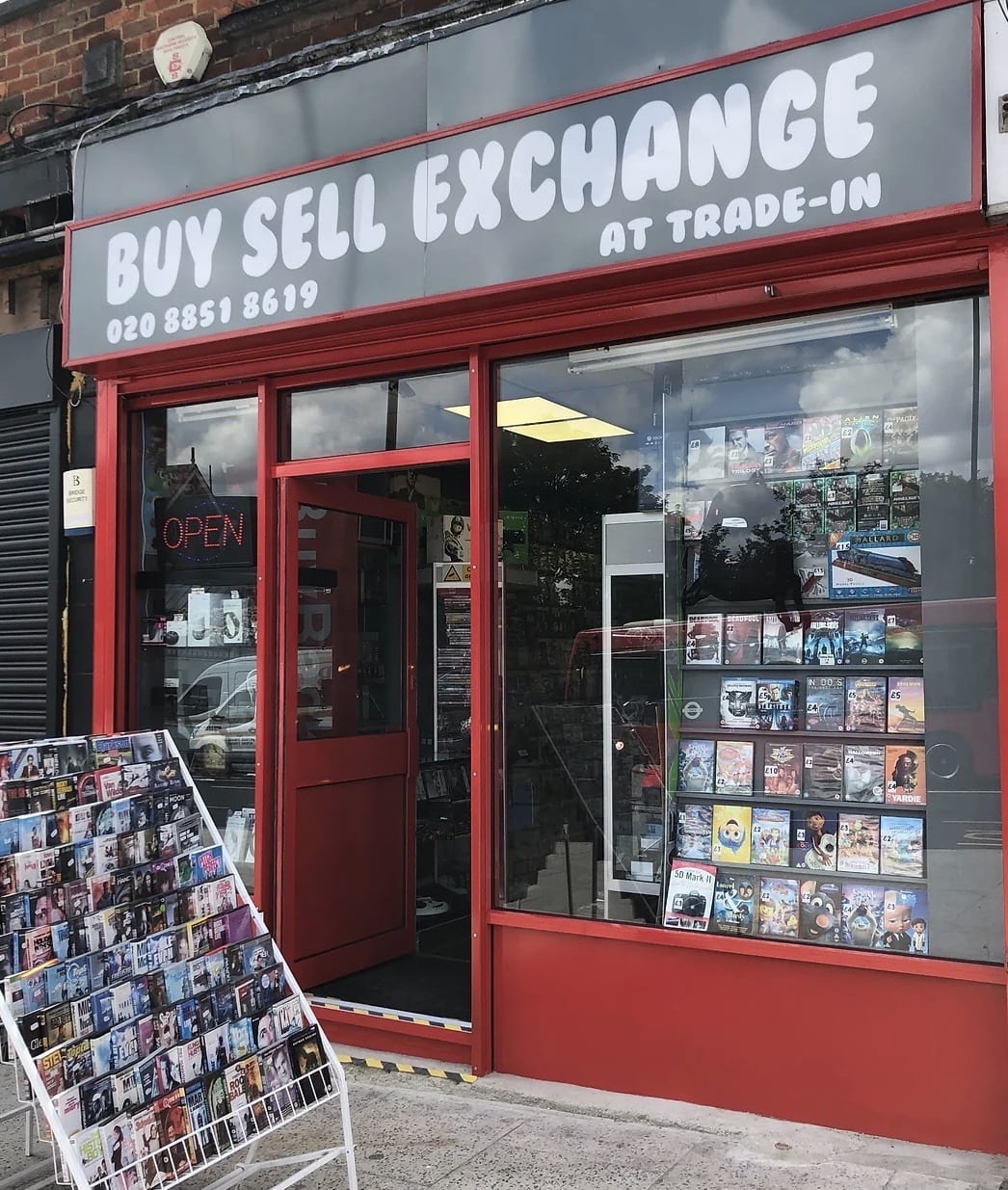
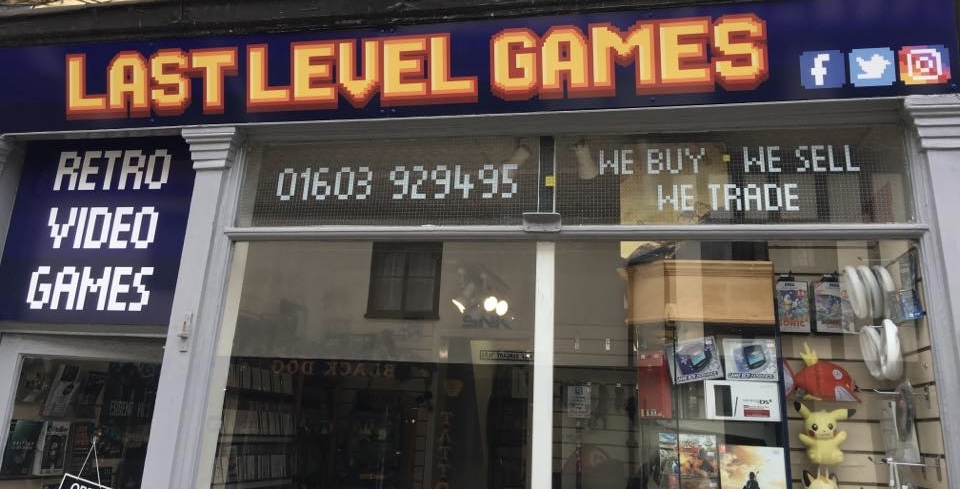
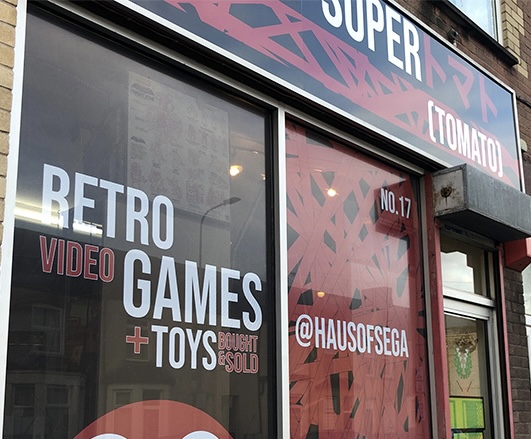
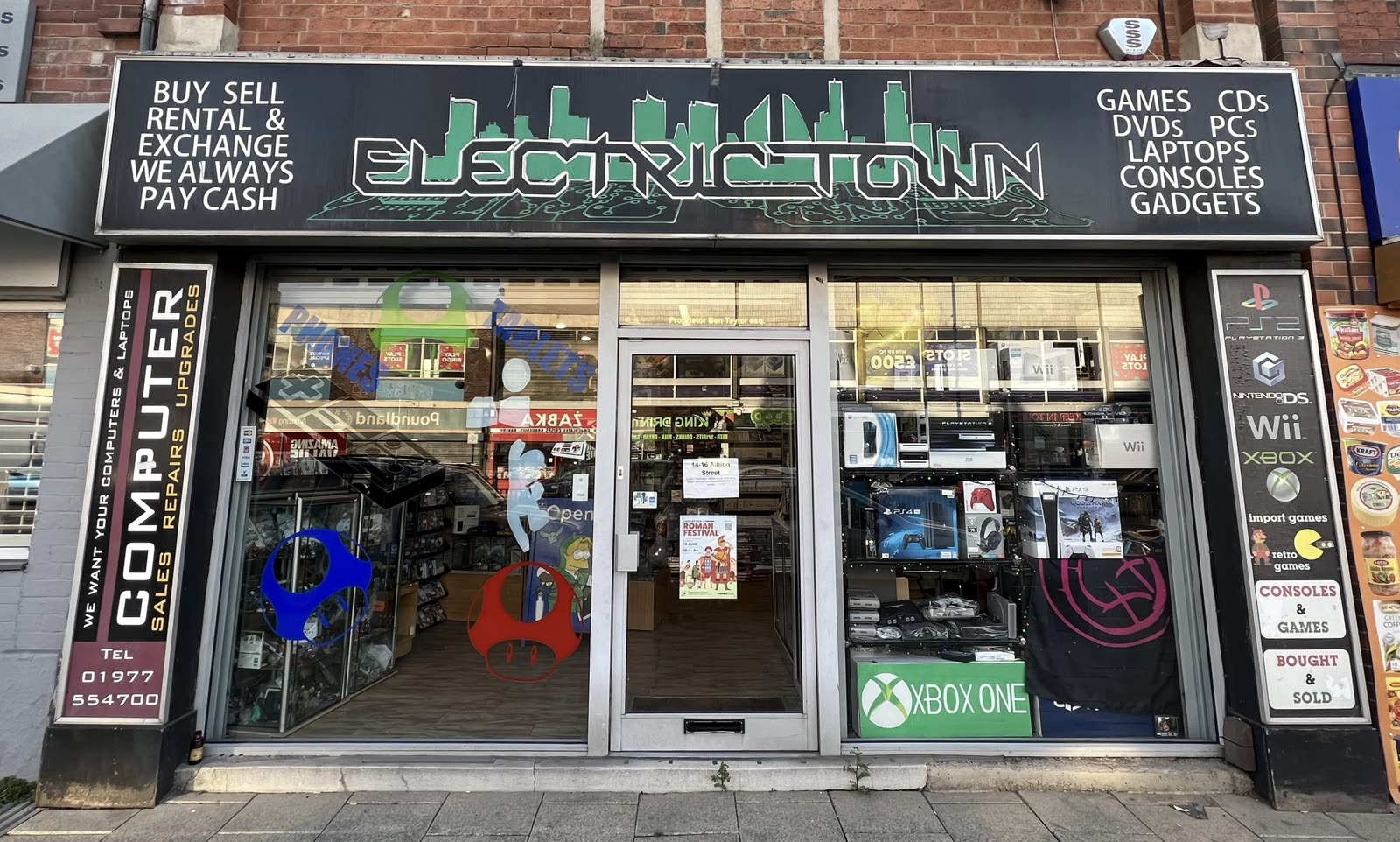
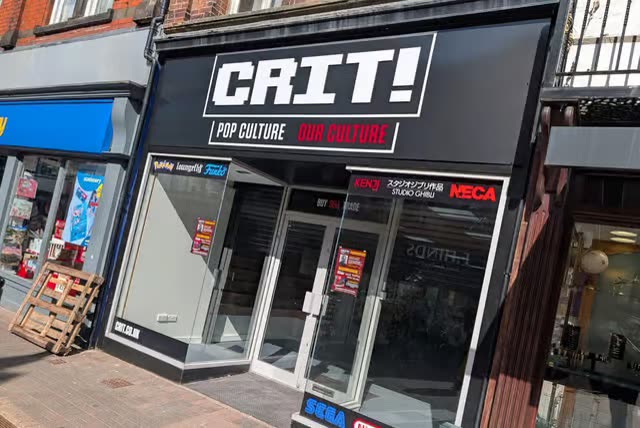
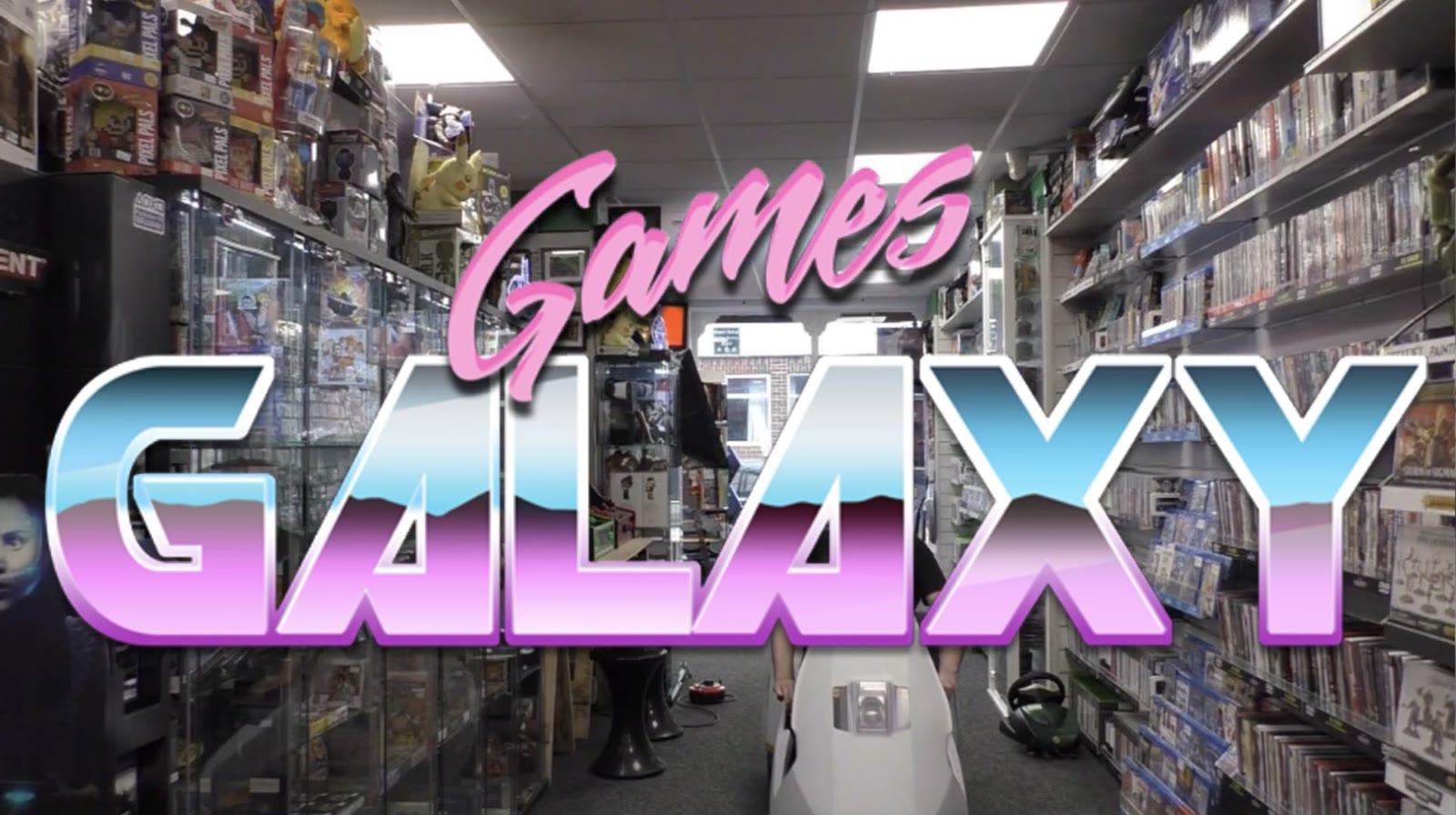
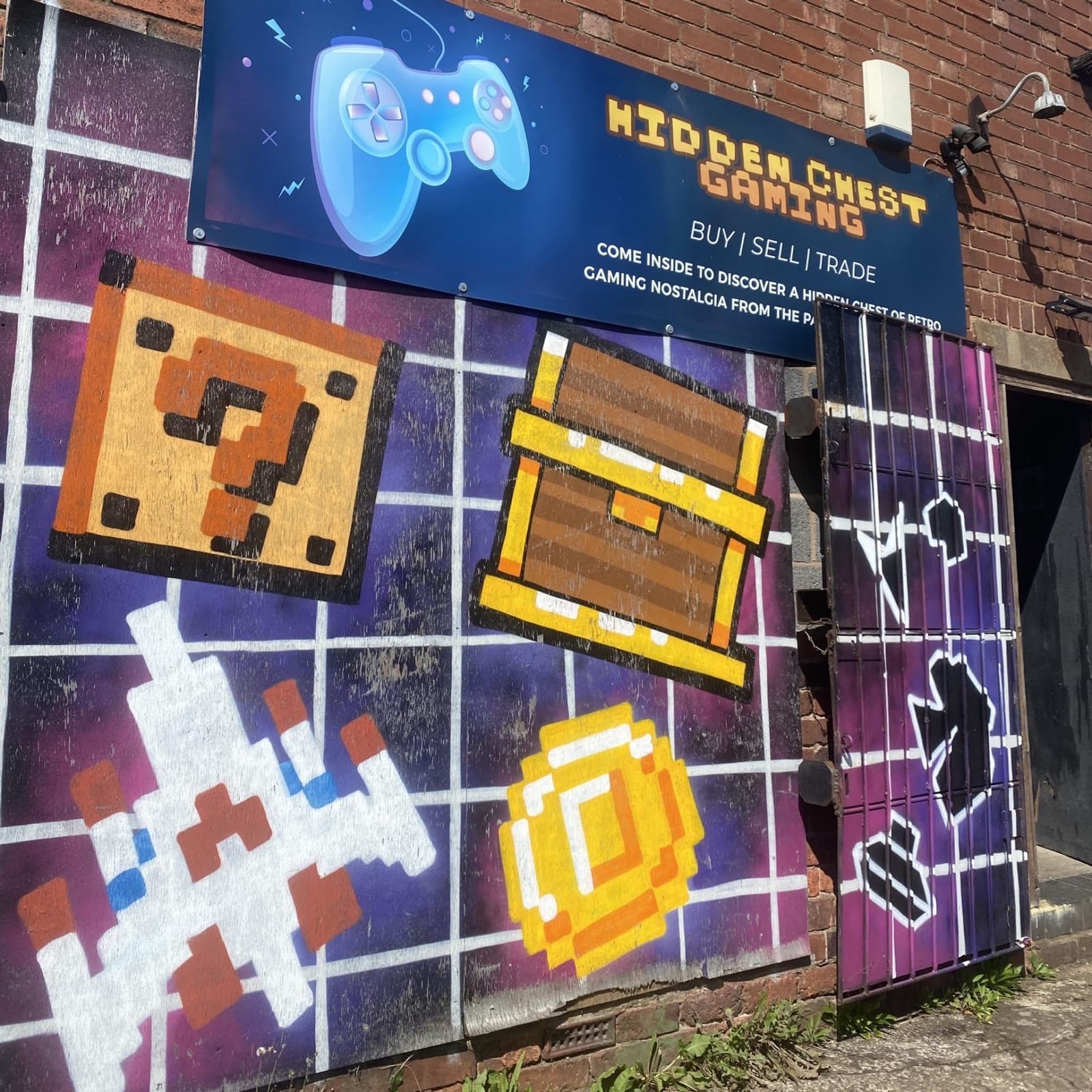
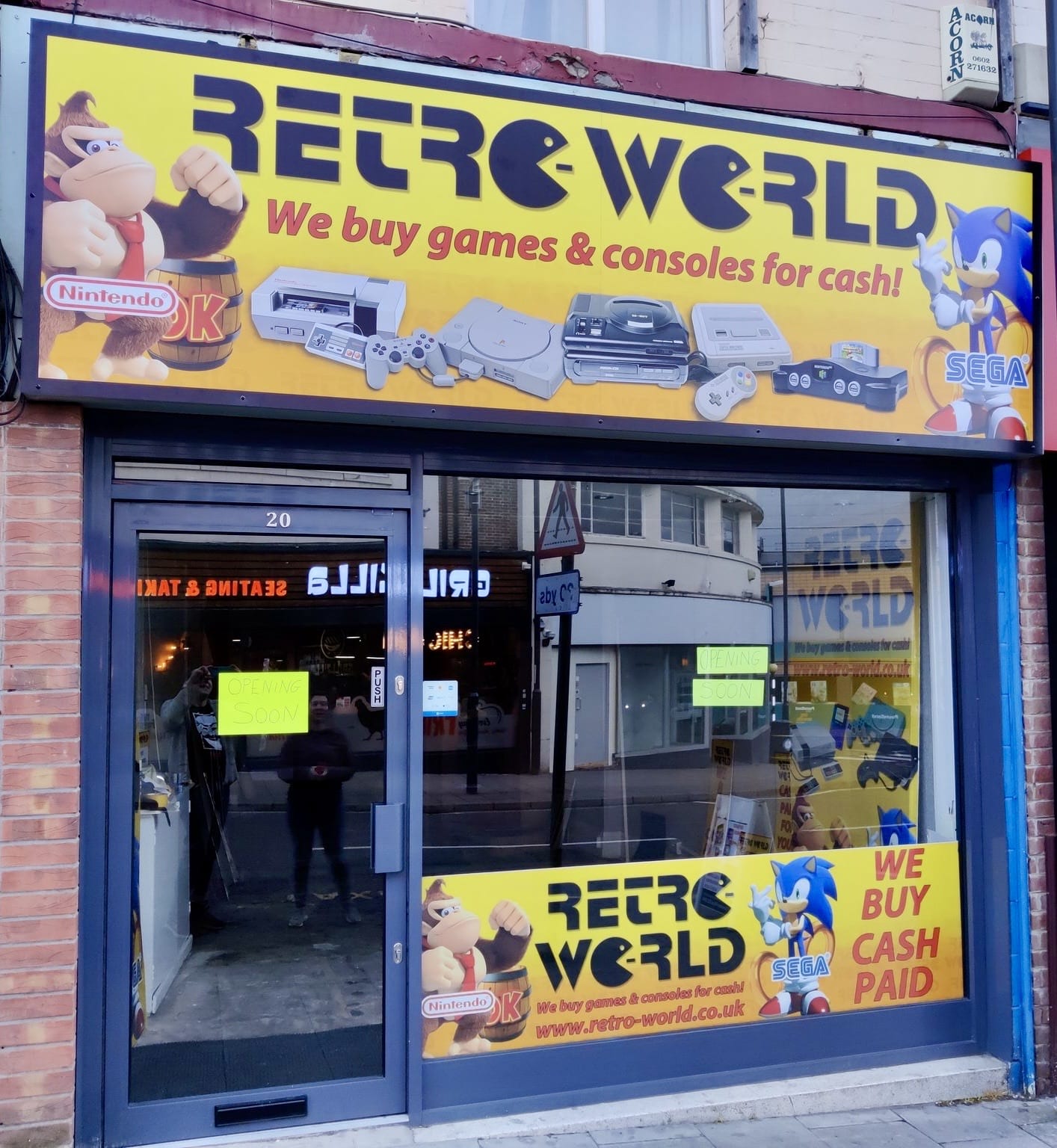
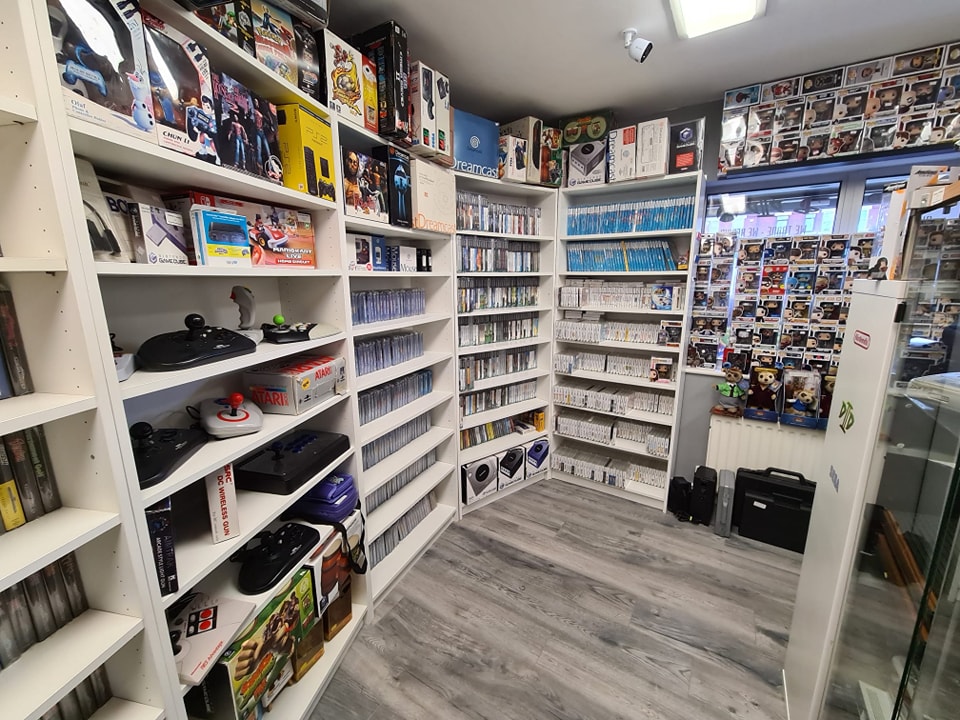
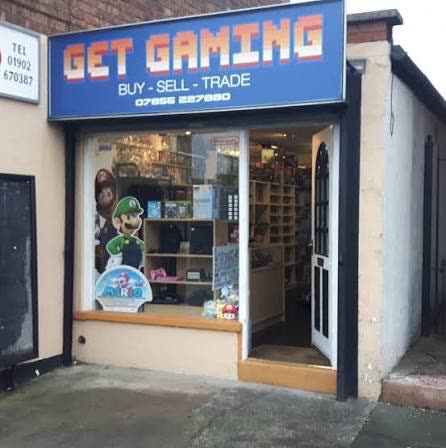
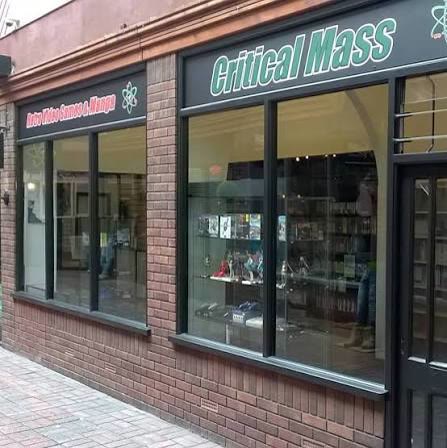
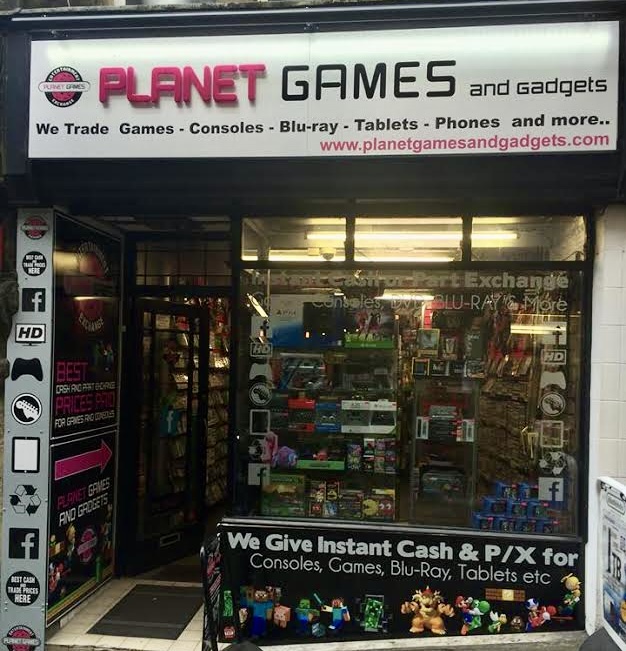
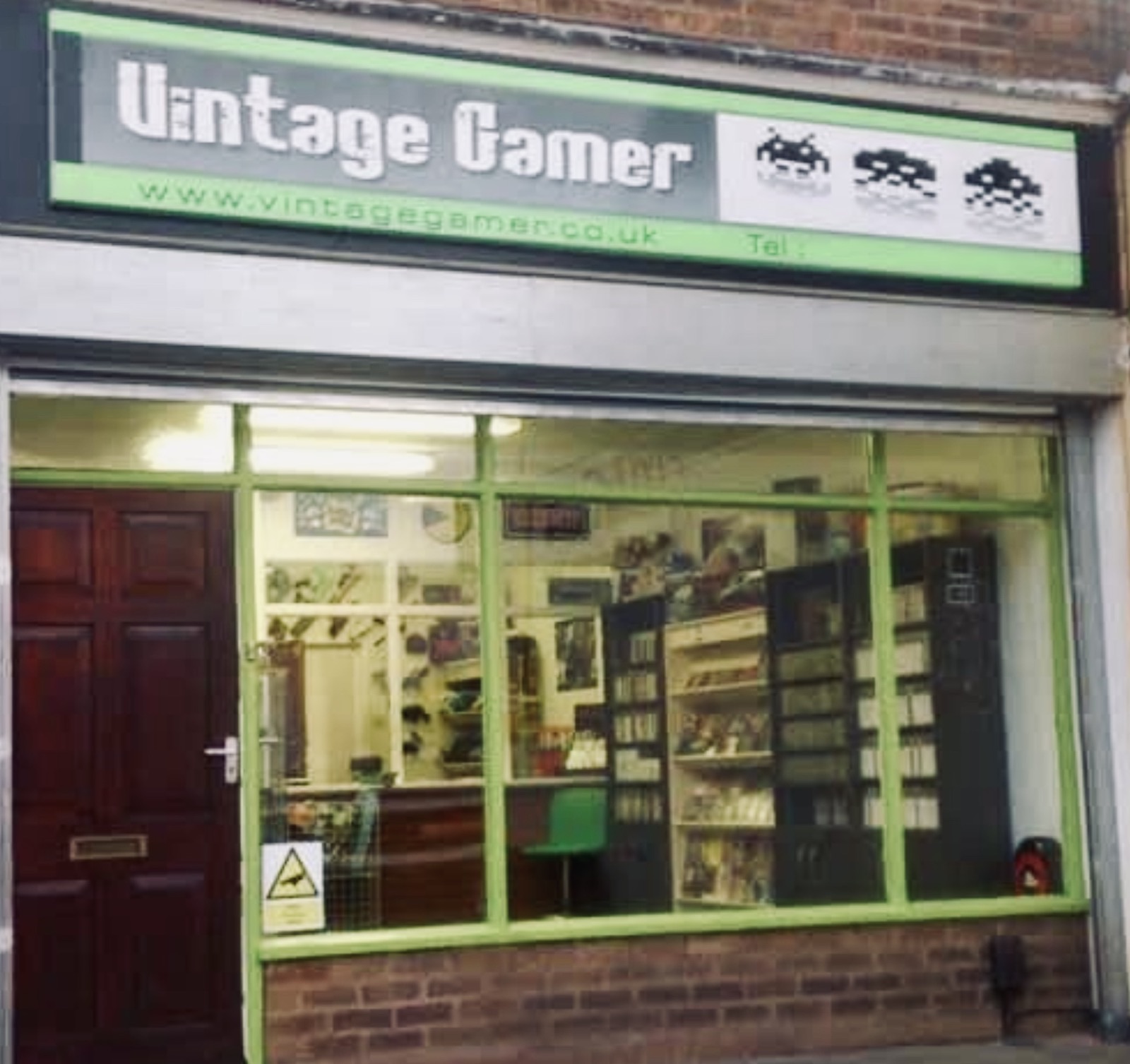
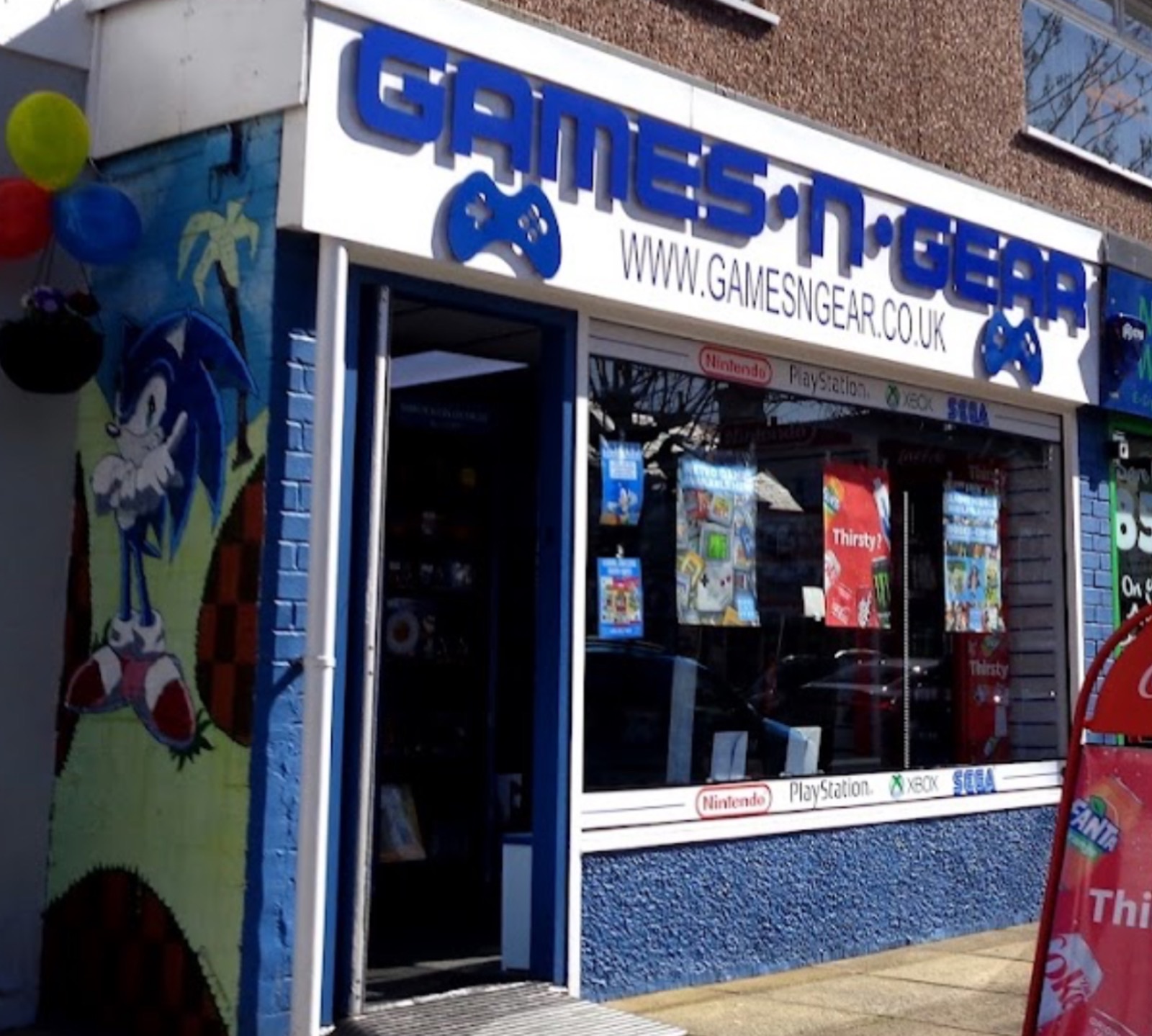
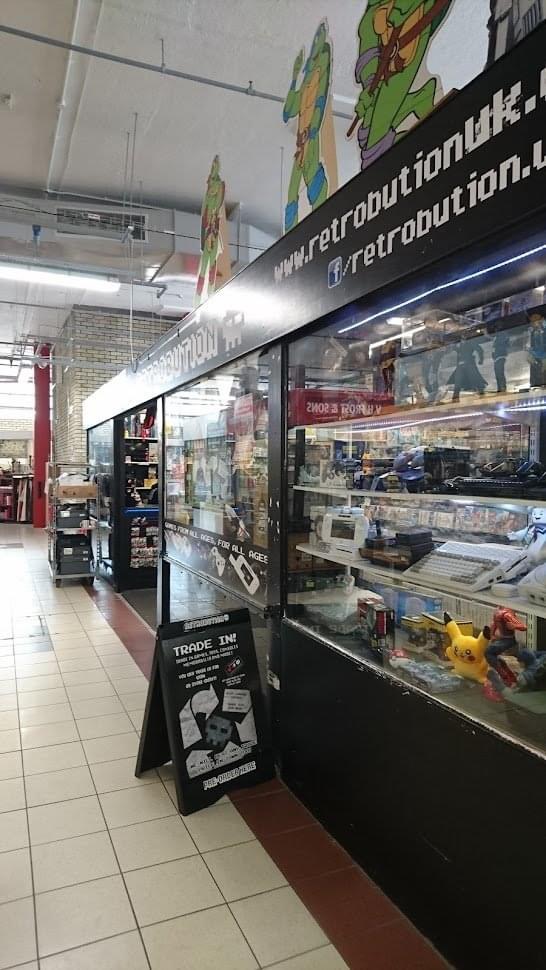
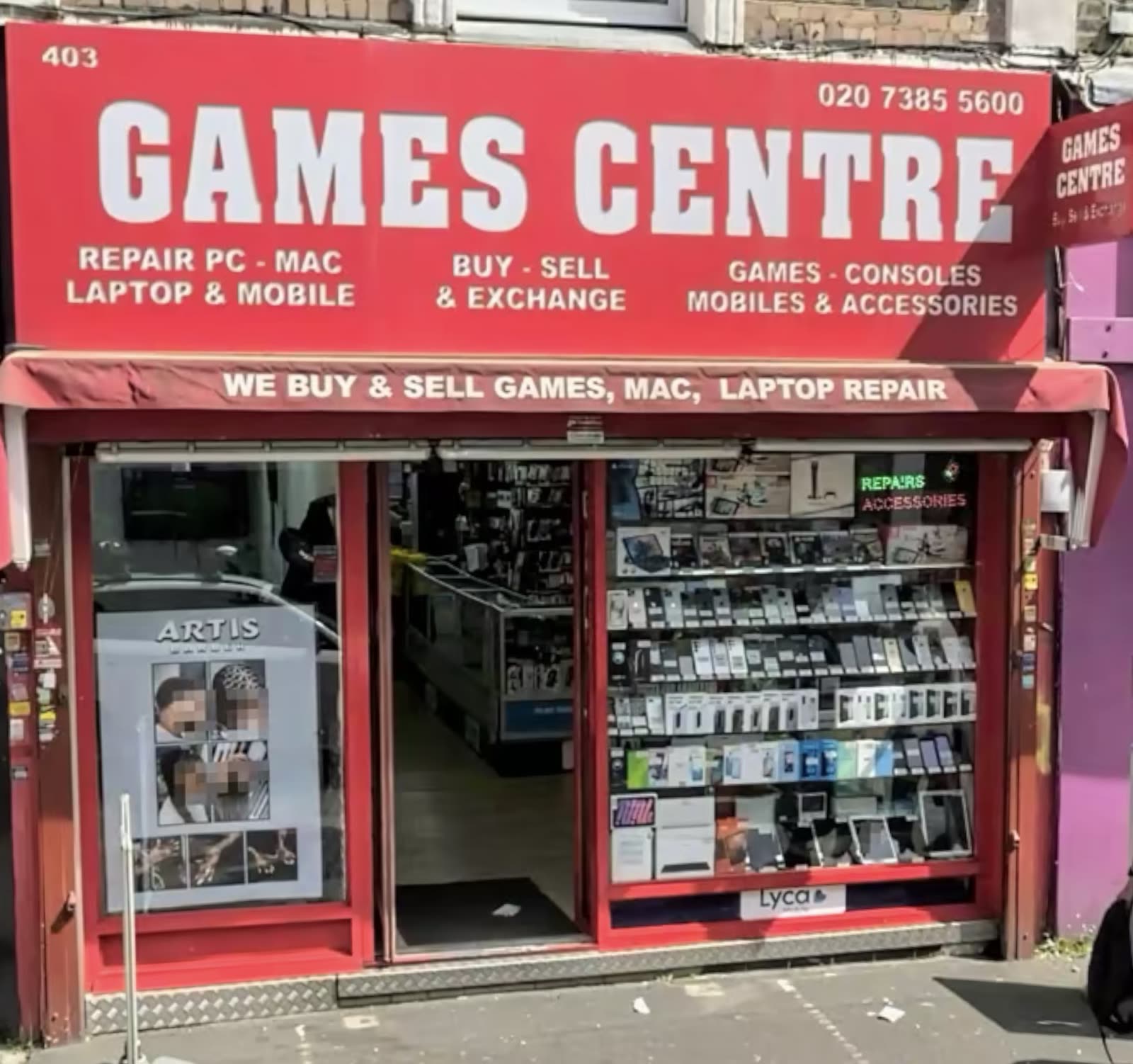
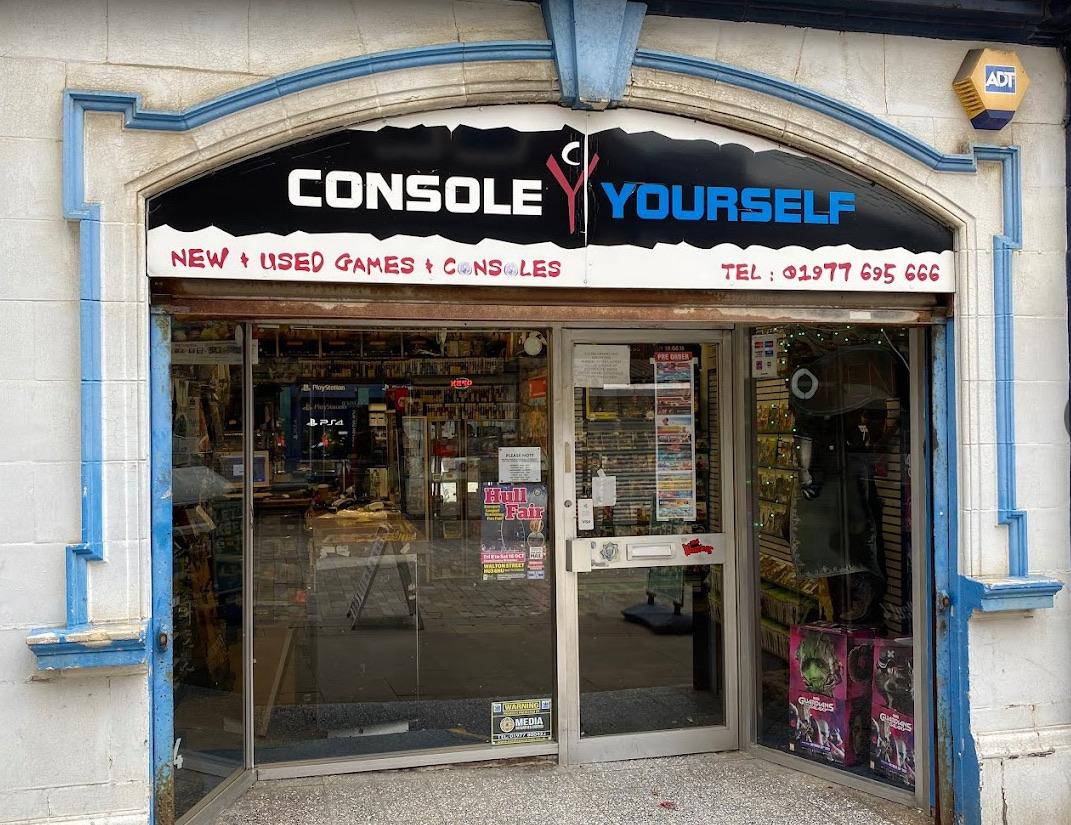
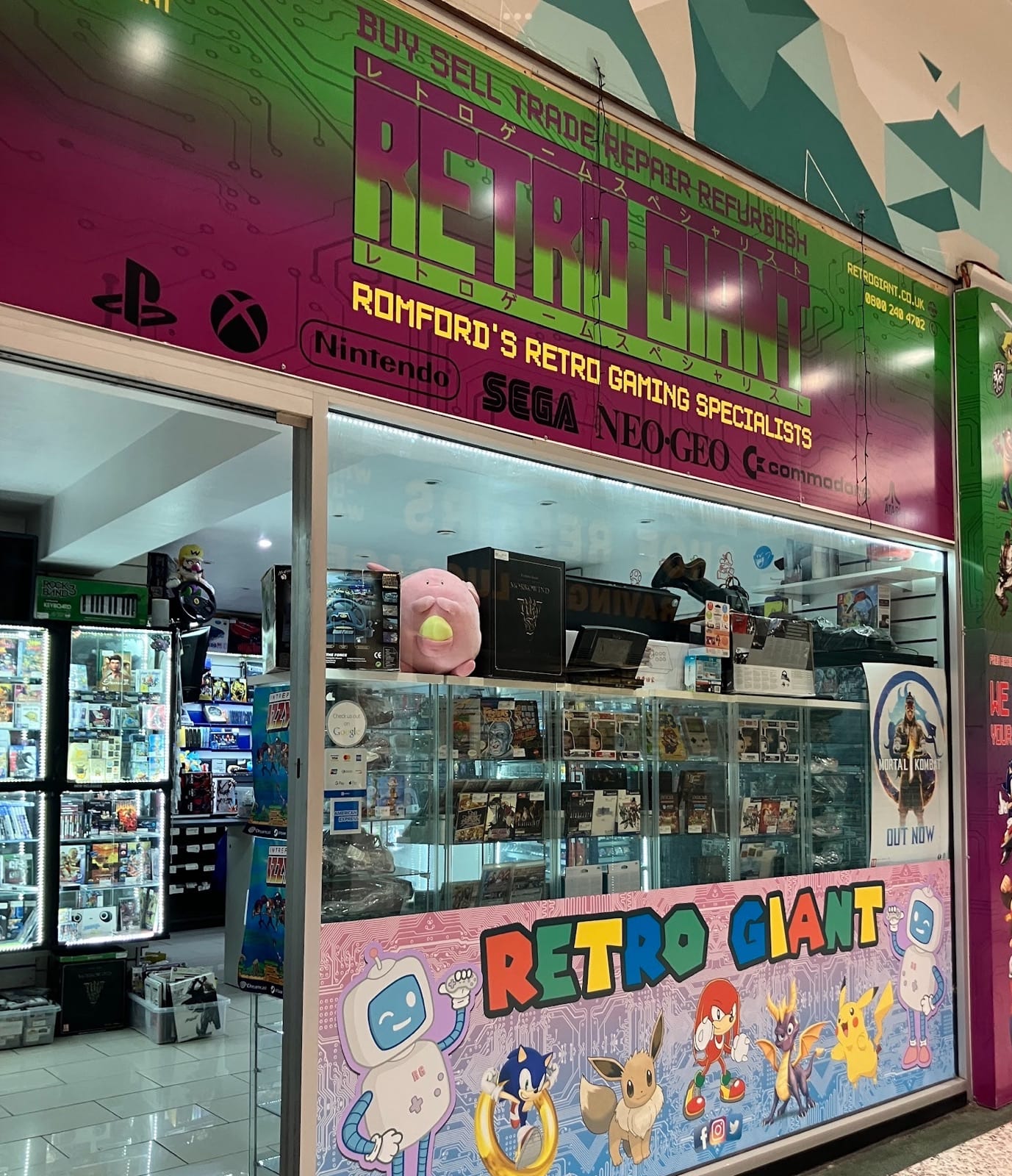
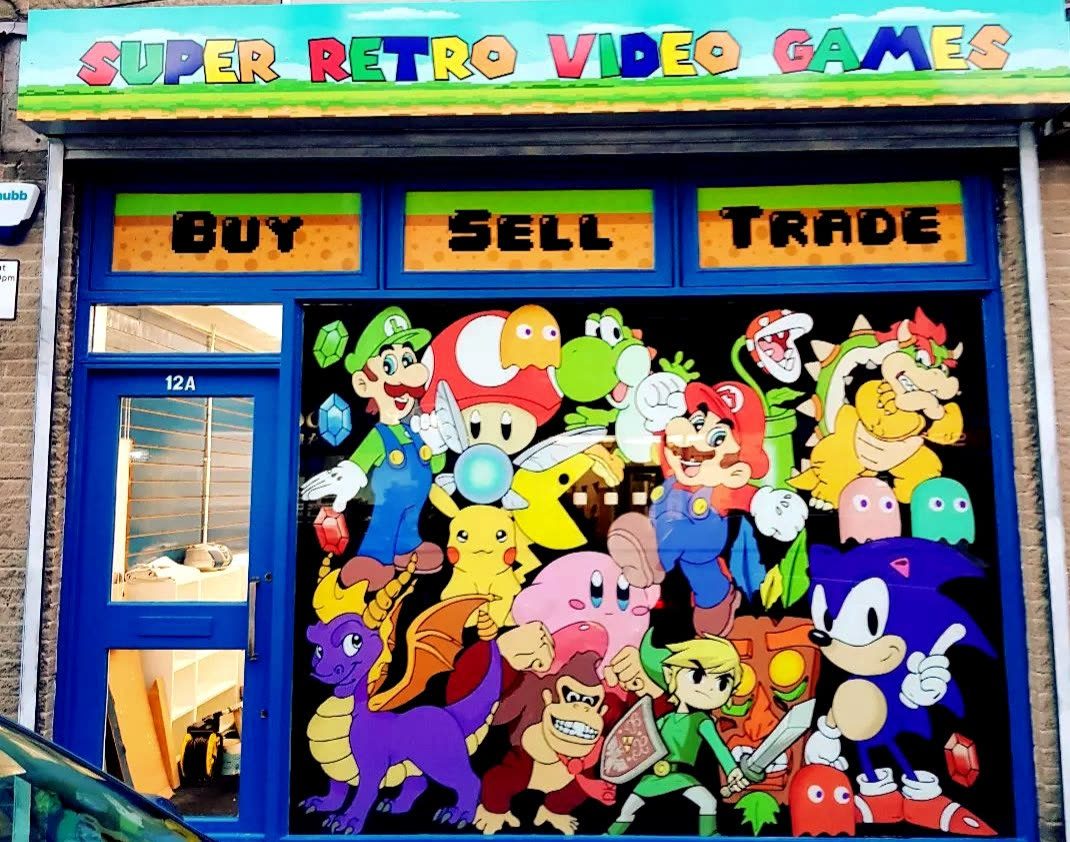
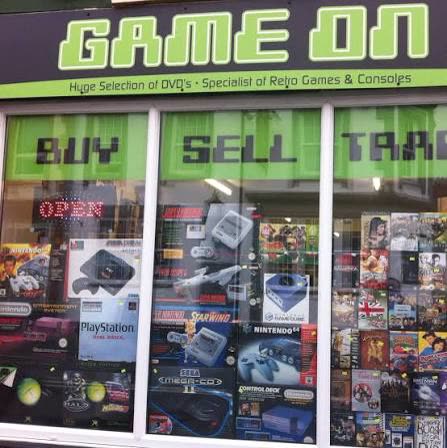
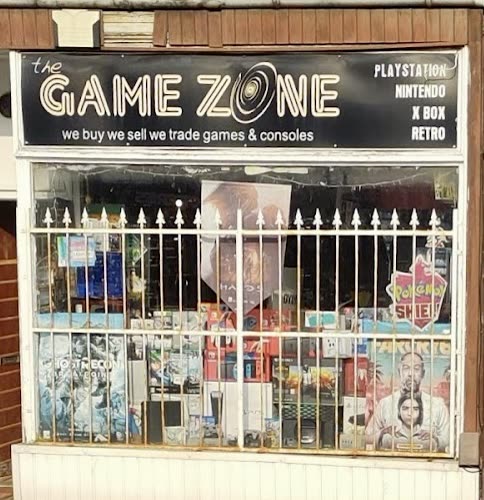
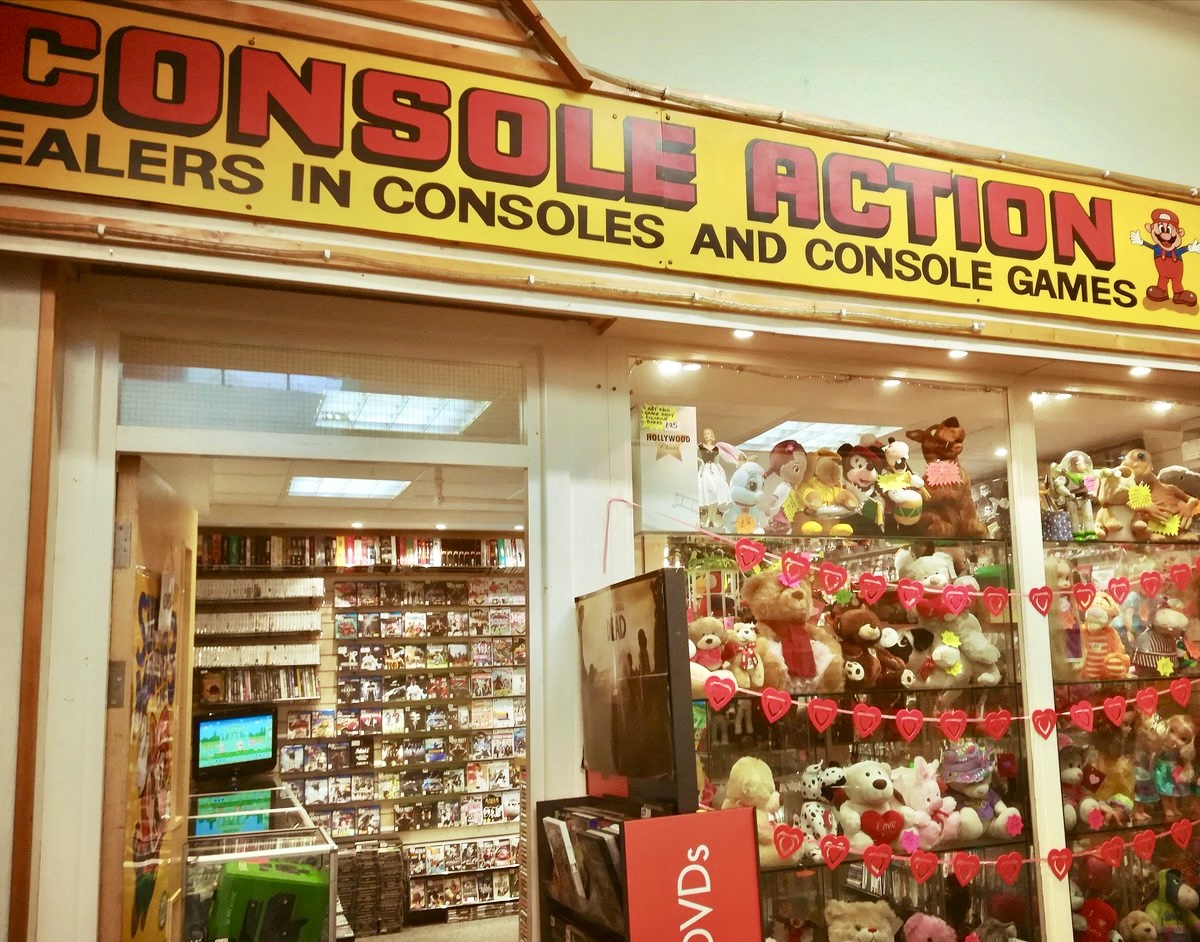
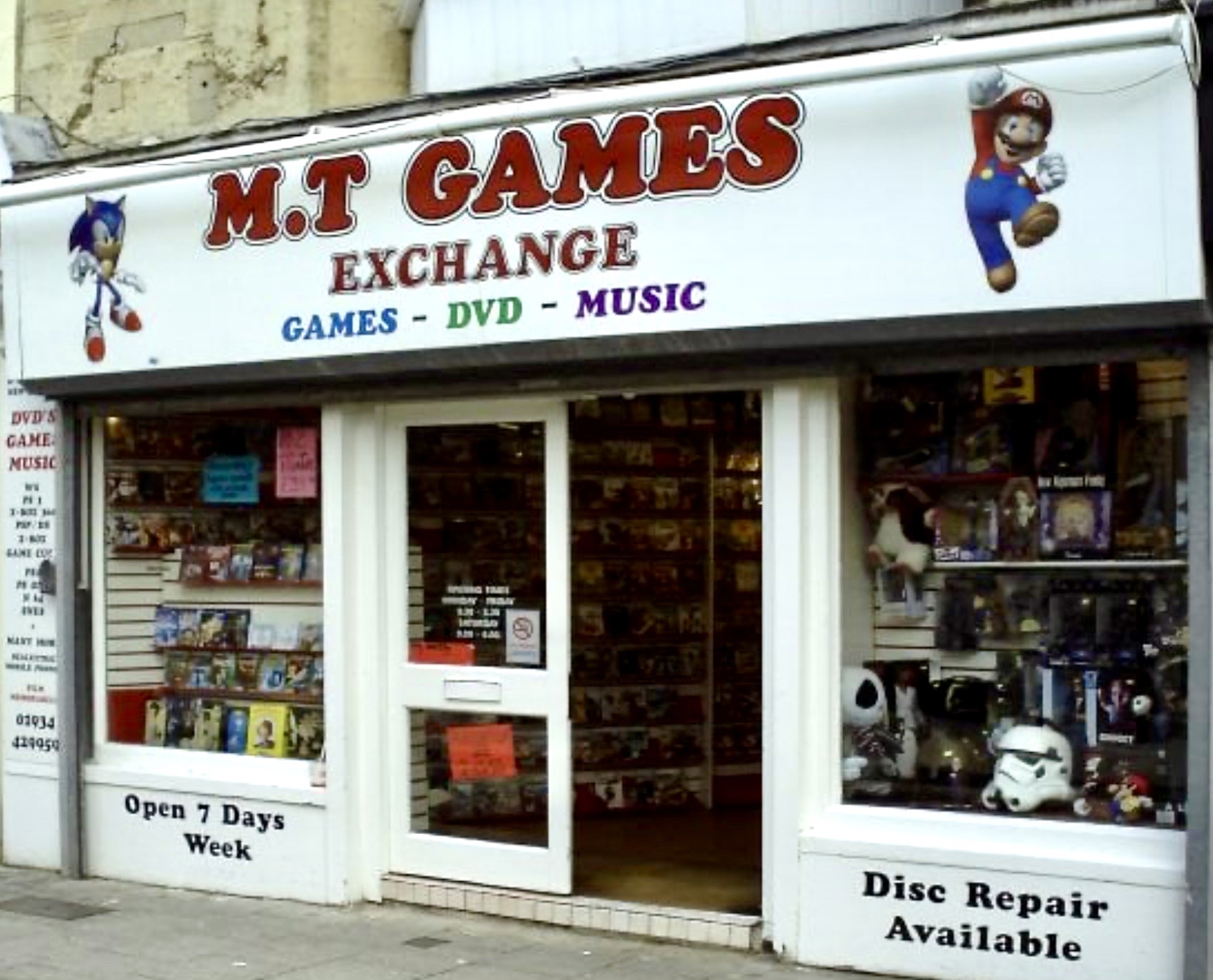
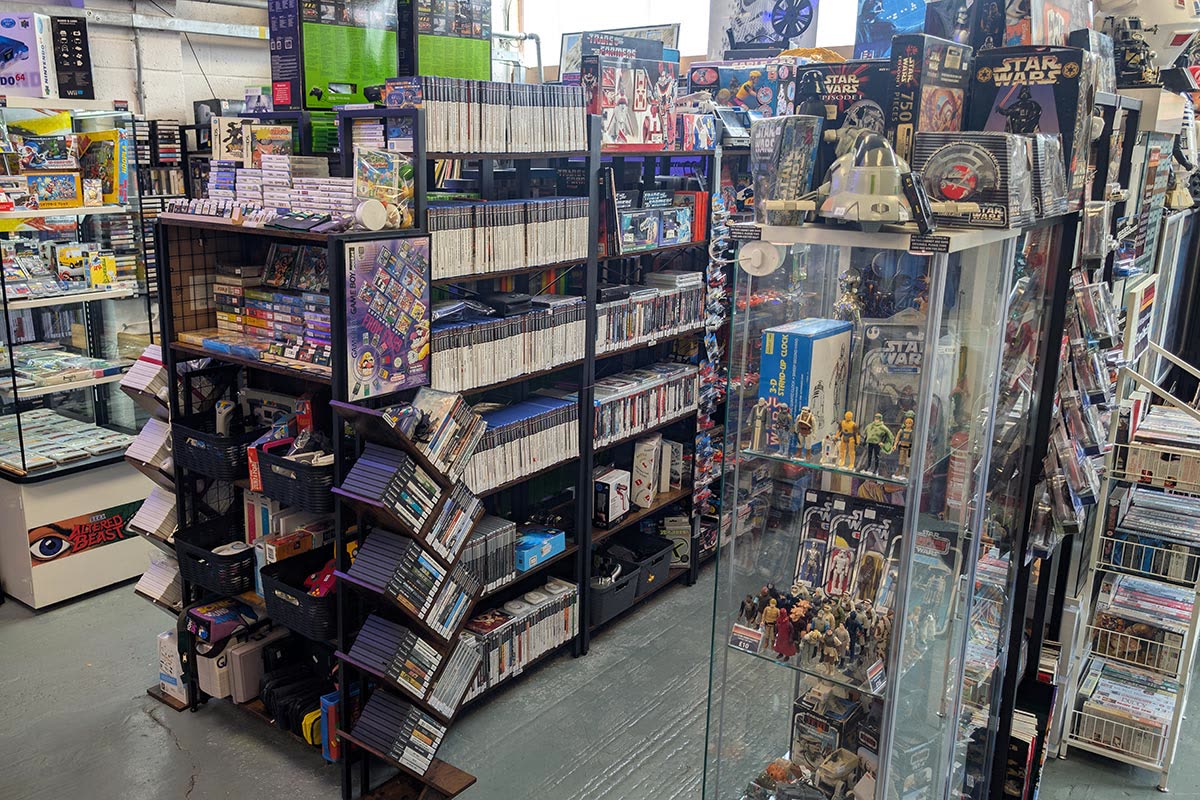
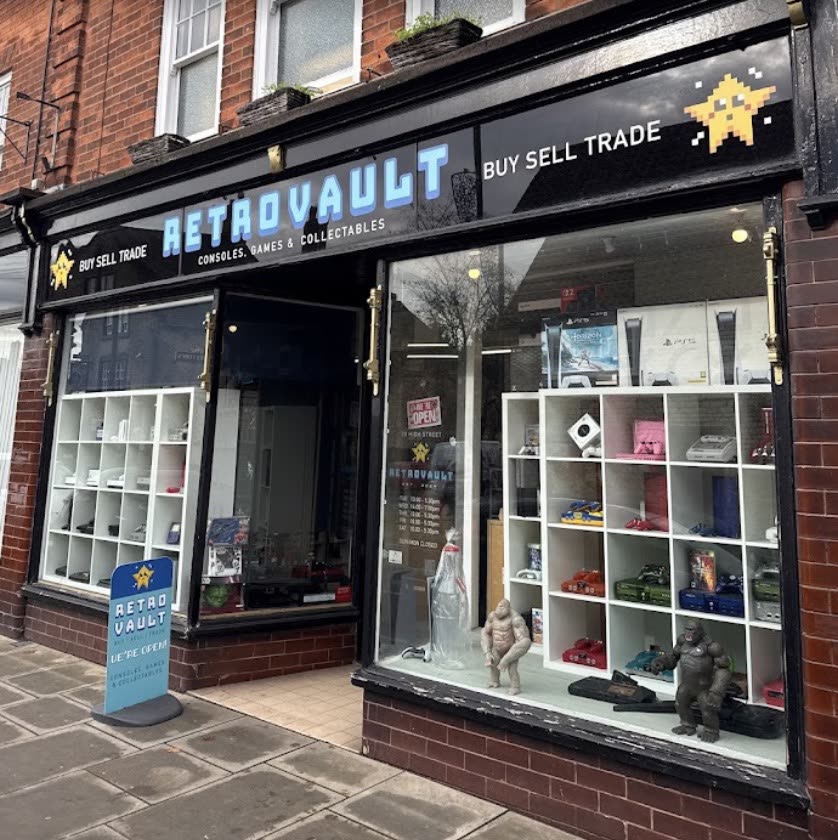
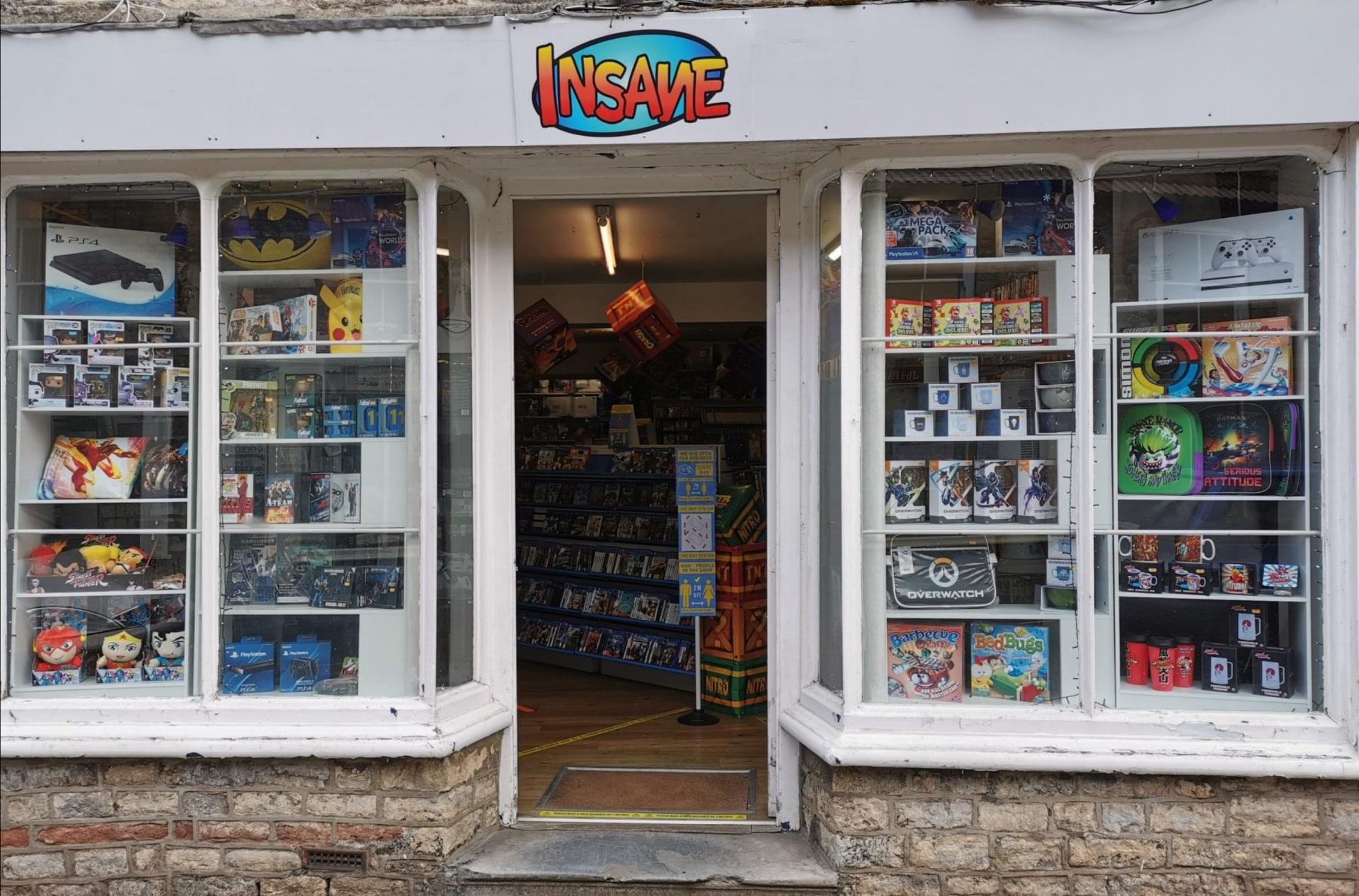
Independent retro game shops are still out there, but they can take some finding. I’ve mapped over 100 of them across the UK and Ireland, from Forgotten Worlds in Ayrshire to Revival Games in Plymouth and The R.A.G.E. in Dublin. If you let it use your location, the map opens on the shops nearest to you; otherwise zoom in on your area. The list under the map narrows to the shops in view, with addresses, opening hours, phone numbers and a little about each one. Opening hours change, especially at smaller shops, so give them a call before making a special trip.
Retro game shops by region
Every shop on the map, grouped by region. Tap a name to jump to it on the map.
Retro game shops worth the trip
A few shops have become destinations in their own right.
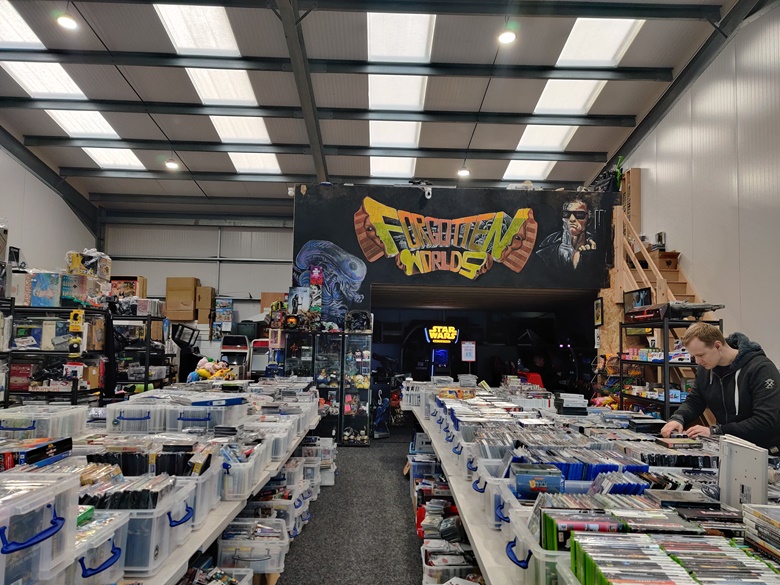
Forgotten Worlds in Stewarton, East Ayrshire, about 20 minutes from Glasgow, is widely described as the biggest retro game shop in the UK. Expect games and hardware from every era, a large Japanese section and a few arcade machines to play. VGC’s visit gives you an idea of the scale before you make the journey.
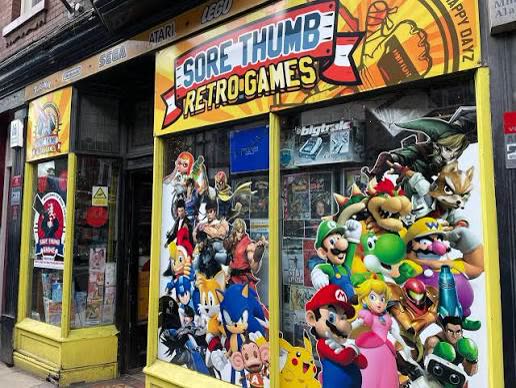
Sore Thumb Retro Games on Gillygate in York is one of the best-known shops in the country, with stock from Atari to PlayStation and a strong Japanese import section, much of it sourced in Japan. Time Extension featured it in its Retail Therapy series.
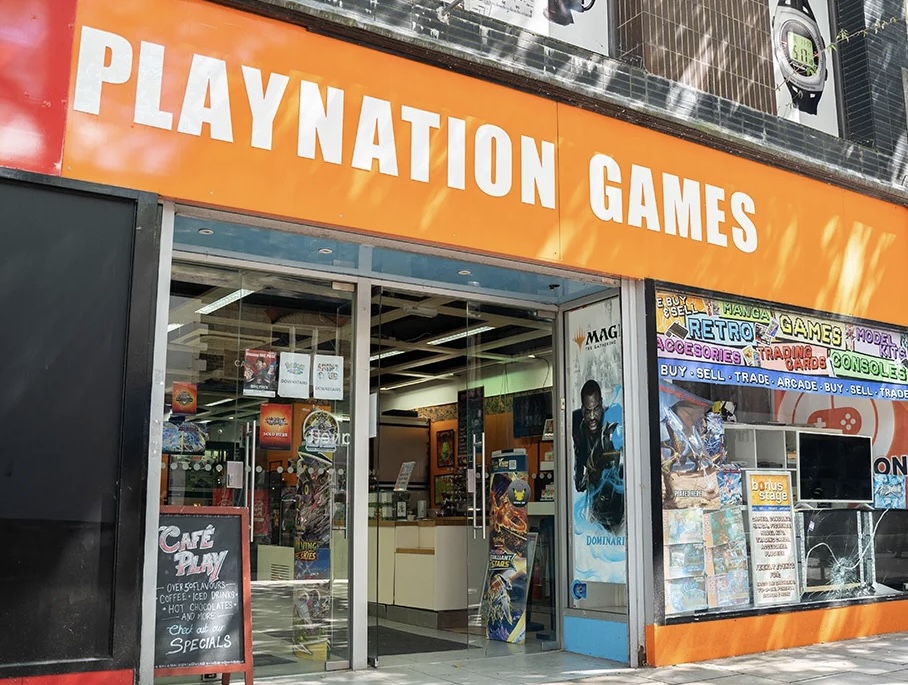
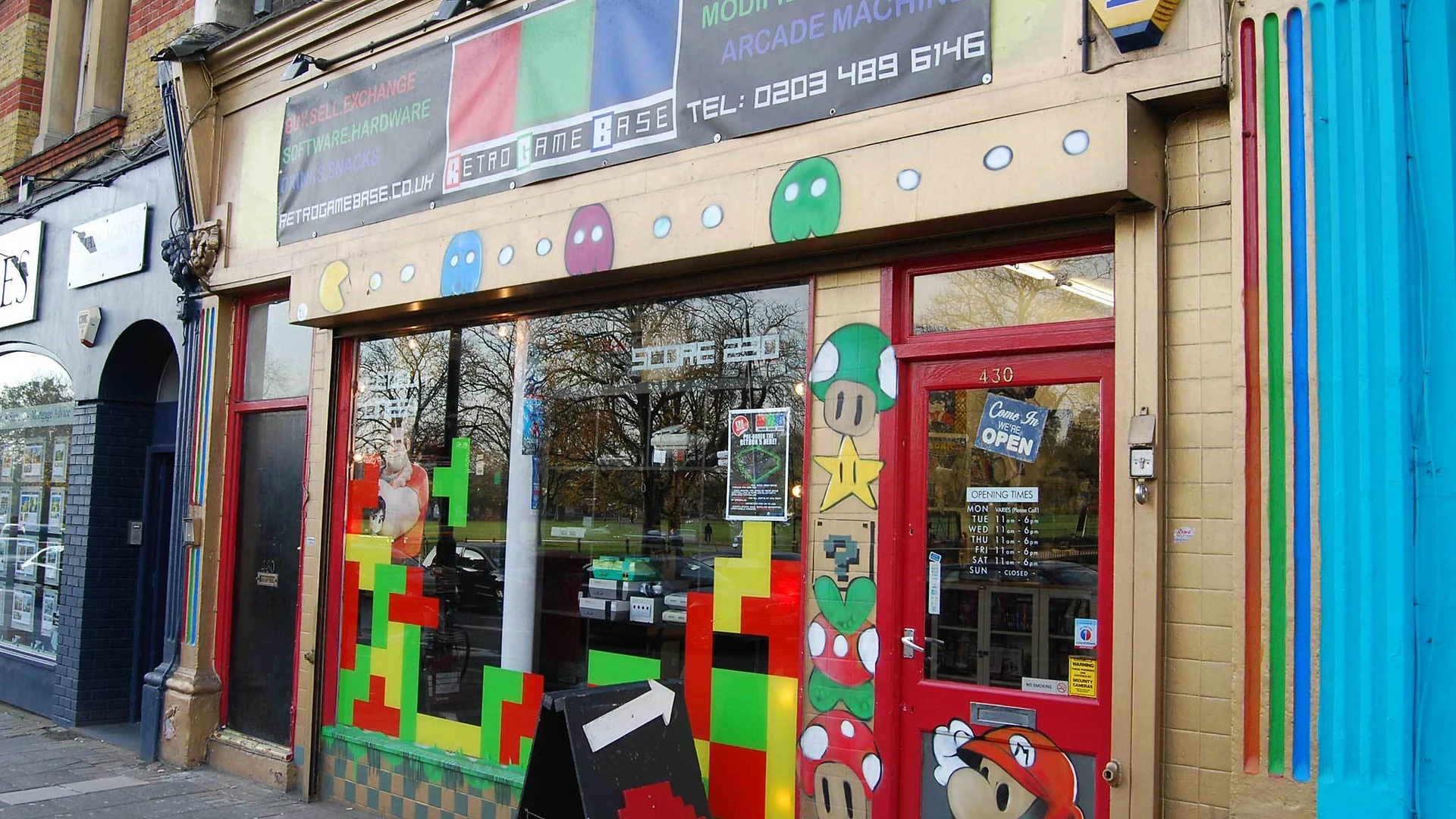
In London, Playnation Games in Croydon has a big retro section alongside tabletop games and anime merchandise, and Retro Game Base in Streatham sells only retro games, consoles and spares.
Gaming markets and car boot sales
Gaming markets are where dealers bring stock they haven’t listed online, and they’re one of the best places to find Japanese imports and boxed rarities.
- London Gaming Market is held roughly every four months at the Royal National Hotel in Russell Square, with dozens of stalls selling games, consoles, computers, handhelds and imports. Early-entry tickets let you in from 10:30. Dates and tickets are on londongamingmarket.com.
- The Video Game Market at the Doncaster Dome, run by Replay Events, bills itself as the UK’s biggest gaming market and is easy to reach from the M18. Replay Events also runs gaming markets in other cities, including Birmingham. Dates are on thevideogamemarket.co.uk.
Car boot sales are still worth a look for British home computer software. ZX Spectrum, Commodore 64 and Amstrad CPC cassettes turn up regularly, sometimes with the original computer, and often at bargain prices. It’s hit and miss, but it’s one of the few places a real bargain is still possible.
PAL, NTSC and Japanese imports
UK consoles are PAL machines, running at 50Hz, while Japanese and American consoles are NTSC, running at 60Hz. Many PAL games of the 8-bit and 16-bit era weren’t adjusted for this, so they run around 17% slower than the originals, with black borders at the top and bottom of the screen. That’s a big part of why so many UK collectors buy Japanese versions.
Japanese games won’t always work on UK hardware. Super Famicom cartridges don’t fit a PAL SNES without an adapter or a small modification to the cartridge slot, and Japanese Mega Drive cartridges need an adapter too. Disc-based consoles like the PlayStation and Saturn are region-locked and need a modchip or a region-free console.
Once you have a console that plays imports, a huge library opens up. Many Japanese releases sell for less than their PAL equivalents, and systems that had only a limited UK release, like the PC Engine, are almost entirely an import scene.
Playing retro consoles on a modern TV
The UK’s standard connection was RGB SCART, which gives a sharp picture but is missing from most modern televisions. There are three main ways around it.
Upscalers sit between the console and the TV and convert its analogue signal to HDMI without touching the console. The RetroTINK range is the benchmark, accepting RGB SCART, component, S-Video and composite, and the OSSC is a popular cheaper alternative.
HDMI mods are fitted inside the console. The PixelFX Retro GEM kits, for example, give digital HDMI output from the PlayStation, PlayStation 2, Nintendo 64 and Dreamcast. They need soldering, so unless you’re handy with an iron, use one of the many UK modders who offer installation.
FPGA consoles recreate the original hardware in electronics rather than emulating it in software, giving accurate, low-lag play over HDMI. The open-source MiSTer platform covers dozens of consoles, home computers including the ZX Spectrum, Commodore 64 and Amiga, and many arcade boards. The Analogue Pocket plays original Game Boy, Game Boy Color and Game Boy Advance cartridges, with adapters for other handhelds, and the Analogue Mega Sg plays original Mega Drive cartridges, Japanese ones included.
If you just want to dip in, the Evercade, made by UK company Blaze Entertainment, plays officially licensed collections of classic games on cartridge.
What makes a good retro game shop?
The best shops test their hardware, offer some kind of guarantee or returns policy, and label the condition of what they sell, including whether a game is boxed and complete. Watch out for reproduction cartridges sold as originals, especially for expensive titles, and ask if you’re not sure.
Look for a range beyond the obvious big names. A shop that stocks ZX Spectrum tapes and BBC Micro software alongside Dreamcast discs knows its audience, and staff who can talk about console revisions, region differences and common repairs are worth their weight in gold. Shops that take trade-ins tend to have more interesting, changing stock, and even a small Japanese import section is a good sign that the owner is an enthusiast.
Add a shop to the map
Do you run a retro game shop in the UK or Ireland, or know one that should be on the map? Get in touch with its name and address. I’m especially keen to hear about shops in Scotland, Northern Ireland and anywhere the map looks empty.