Arcadians retro game review for the BBC Micro

Arcadians: The BBC Micro’s Answer to Galaxian
I first came across the BBC Micro at school in the early 80s. As the owner of a primitive ZX81, the full colour graphics and proper keyboard made the Beeb seem so advanced, and I’d go along to computer club at lunchtimes to learn more about programming. More often than not we’d end up playing games instead, arcade conversions of the titles we queued for in the local arcades at the time, like Snapper and Planetoid. Arcadians came from the same stable.
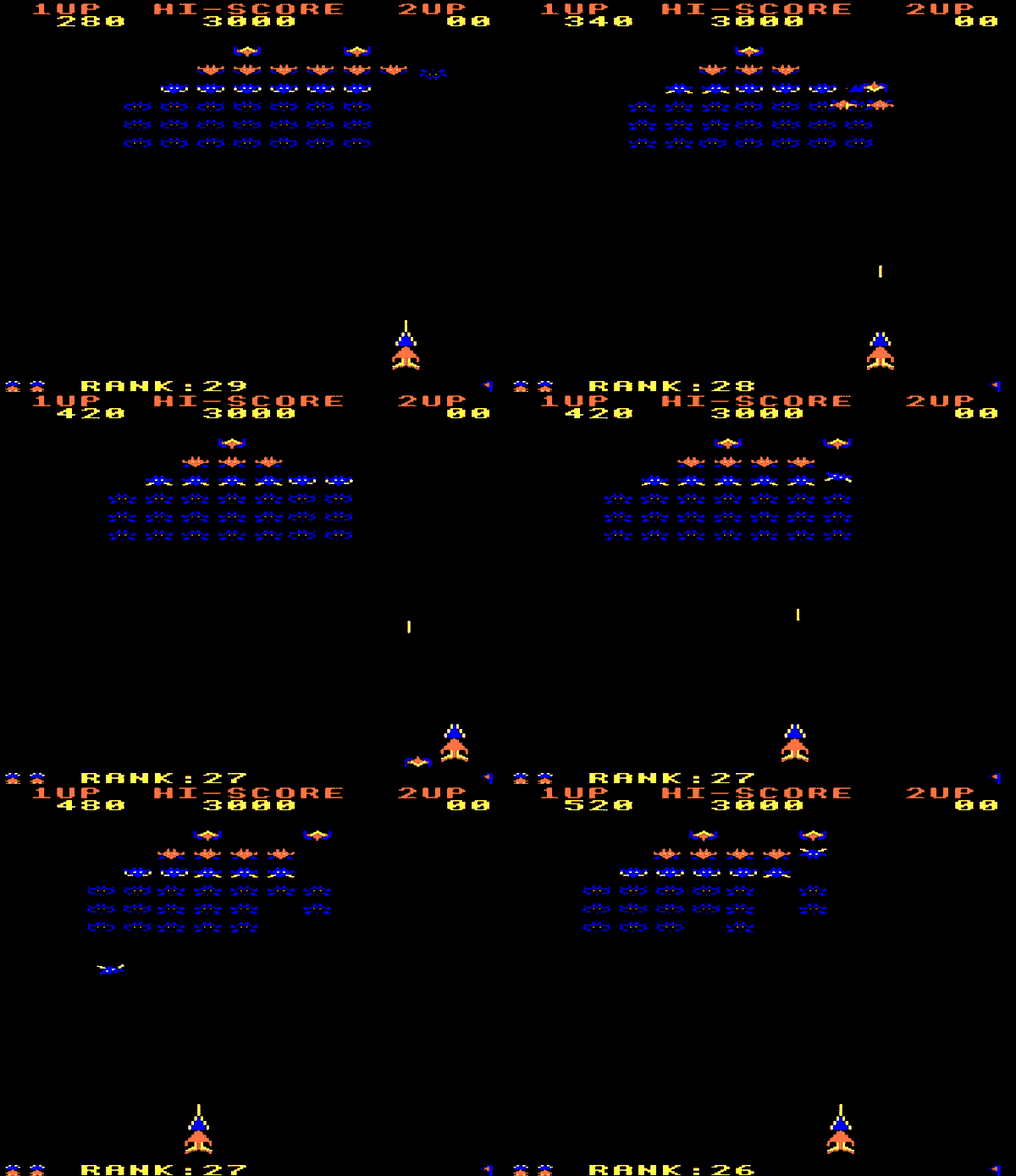
Acornsoft released Arcadians for the BBC Micro in 1982, and it was a remarkably faithful conversion of Namco’s Galaxian. It was written by Nick Pelling (who preferred to go by the name Orlando M. Pilchard), and it had swooping alien formations, an arcade-style high score table and an attract mode where the computer played the game itself, just like a real cabinet. For BBC Micro and Acorn Electron owners it was about as close to the arcade as you could get at home.
 Arcadians for the BBC Micro
From the Atom to the BBC
Nick Pelling had been writing games on the Acorn Atom, including a Galaxian-style game that he advertised in the back pages of Your Computer magazine in April 1982. Back then programmers would take out small ads to sell their games directly to enthusiasts, which is a far cry from the games industry of today.
Acornsoft spotted it and asked him to come to Cambridge and write the same game for their new BBC Microcomputer. By Pelling’s own account, he walked out of that meeting with a brand new BBC Micro under his arm. The machine had a problem, though: it lacked a working serial ULA, so he couldn’t save anything to tape. Rather than send it back, he kept the computer switched on for a whole month during development, printing out his code every so often and typing it all back in if something went wrong.
Acornsoft were already known for very faithful arcade conversions, sometimes taking liberties with copyright in the process. Snapper (their Pac-Man clone) and Planetoid (their Defender) were close enough to the originals that arcade manufacturers took notice, and in at least one case threatened legal action. Arcadians continued the tradition: the name changed, but the gameplay was pretty much Galaxian.
Galaxian, the Arcade Original
Galaxian was released by Namco in September 1979 (Midway distributed it in North America), as the company’s answer to Taito’s Space Invaders. Designer Kazunori Sawano wanted something that could compete while improving on the formula. It was a big hit in Japan in 1979 and 1980 and sold around 50,000 cabinets in North America by 1982.
It was one of the first games with full RGB colour graphics rather than coloured overlays, with animated multi-coloured sprites and a scrolling starfield behind the aliens, and the same hardware went on to be used for Pac-Man.
The big change was in the gameplay. In Space Invaders the aliens march steadily down the screen; in Galaxian they break ranks and dive-bomb you in swooping S-shaped curves. The flagships at the top of the formation could bring escorts with them on their attack runs, and shooting a flagship along with its escorts earned a bonus.
Playing Arcadians
Arcadians copies the Galaxian formula very closely. Each wave starts with a formation of 46 aliens at the top of the screen: 30 drones on the bottom rows, 8 purple aliens above them, then 6 red aliens and 2 flagships at the top. You move your ship left and right along the bottom and fire upwards, and you can only have one shot on screen at a time. Miss, and you have to wait for the shot to leave the top of the screen before you can fire again.
The aliens peel off individually or in small groups, following that Galaxian S-curve. Shooting them mid-dive is worth more than picking them off in formation, which pushes you into taking risks. Flagships can dive with red escorts, and taking out the whole group earns a big bonus, at the cost of a lot more bullets coming your way.
The thing everyone notices is the size of your ship. It’s noticeably bigger than in the arcade original, which makes dodging bullets harder, especially when the dives come thick and fast.
Each wave plays out much the same as the last: clear the screen and the next wave is a bit faster and more aggressive. There are no bonus stages or dual fighters (those arrived with Galaga in 1981), so the challenge comes from speed and frequency of attacks rather than anything new. It’s repetitive over a long session, but if you like score-chasing that’s rather the point.
Tips for High Scores
- Hit them while they dive. Diving aliens are worth far more than ones sitting in formation, so the high scores come from playing the risky game.
- Go for the flagship groups. When a flagship dives with its red escorts, destroying the lot pays out a big bonus. Fire too early and you’ll miss; too late and you’ll be swamped.
- Make every shot count. With only one bullet on screen, a missed shot leaves you defenceless while you wait for it to clear.
- Watch your positioning. The centre of the screen gives you most room to dodge, but the big ship means you need more space to manoeuvre than in the arcade.
- Thin out one side. Clearing one side of the formation first makes the remaining aliens’ movements easier to predict.
- Know who’s coming. The red aliens and flagships are the most aggressive, while the drones at the bottom tend to stay in formation longer. Leave a flagship until last and it will try to flee, so be ready.
On the BBC Micro Hardware
The BBC Micro’s 2 MHz 6502 and multiple screen modes made it a good machine for arcade conversions, and Pelling picked a mode that kept the sprites moving smoothly. The Beeb’s sound chip couldn’t match the arcade hardware, but it does a decent job of the swooping dive sound, the firing and the explosions, and those sounds are a useful warning of what’s coming at you.
The attract mode is a nice touch. Leave the game idle and it plays a demo, with the computer controlling the ship, just like an arcade cabinet trying to tempt you into putting your money in. At a time when most home computer games just sat on a title screen or a high score table, it made Arcadians feel like the real thing.
Arcadians on the Acorn Electron
Acornsoft also released Arcadians for the Acorn Electron, the BBC Micro’s cheaper sibling. The Electron’s 6502 runs more slowly and its graphics hardware is simpler, but the conversion keeps the gameplay of the BBC original intact.
Nick Pelling after Arcadians
Arcadians was Nick Pelling’s first BBC Micro game. Still working as Orlando M. Pilchard, he went on to write Frak!, a tricky platformer where a caveman called Trogg fights monsters armed only with a yo-yo, along with another shooter, Zalaga, and later FireTrack. He also co-wrote Acornsoft Chess with Arthur Norman.
Playing Arcadians Today
The easiest way to play Arcadians now is through emulation. BeebEm is the most complete BBC Micro emulator for Windows, and B-Em works across platforms; both run Arcadians without any issues, attract mode and high score table included. The game turns up as SSD disk images on the usual preservation sites, and you only need left, right and fire, so it maps easily to a modern keyboard or pad.
If you want the real thing, BBC Model Bs are still around from retro specialists and on eBay, and they’ve proved to be very durable machines. Played on a CRT, Arcadians looks exactly as it did in 1982.
Arcadians FAQ
Were there other Galaxian clones for home computers?
Plenty. The Atari 2600, Atari 5200, Commodore 64, ZX Spectrum and many others got either official ports or renamed clones. Many of them changed the gameplay significantly; Arcadians stuck unusually closely to the original.
Did Acornsoft face legal issues over Arcadians?
Acornsoft did run into trouble over some of its arcade conversions (most notably Snapper, its Pac-Man clone), but Arcadians doesn’t seem to have caused similar problems. Renaming the game seems to have been enough at a time when the law around copying game mechanics was still largely untested.
Verdict
Arcadians was one of the very first games available for the Beeb, and it’s a faithful, tough and slightly repetitive Galaxian with an oversized ship. For BBC owners in 1982 that was exactly what they wanted.
More like this
Top 10 BBC Micro Games
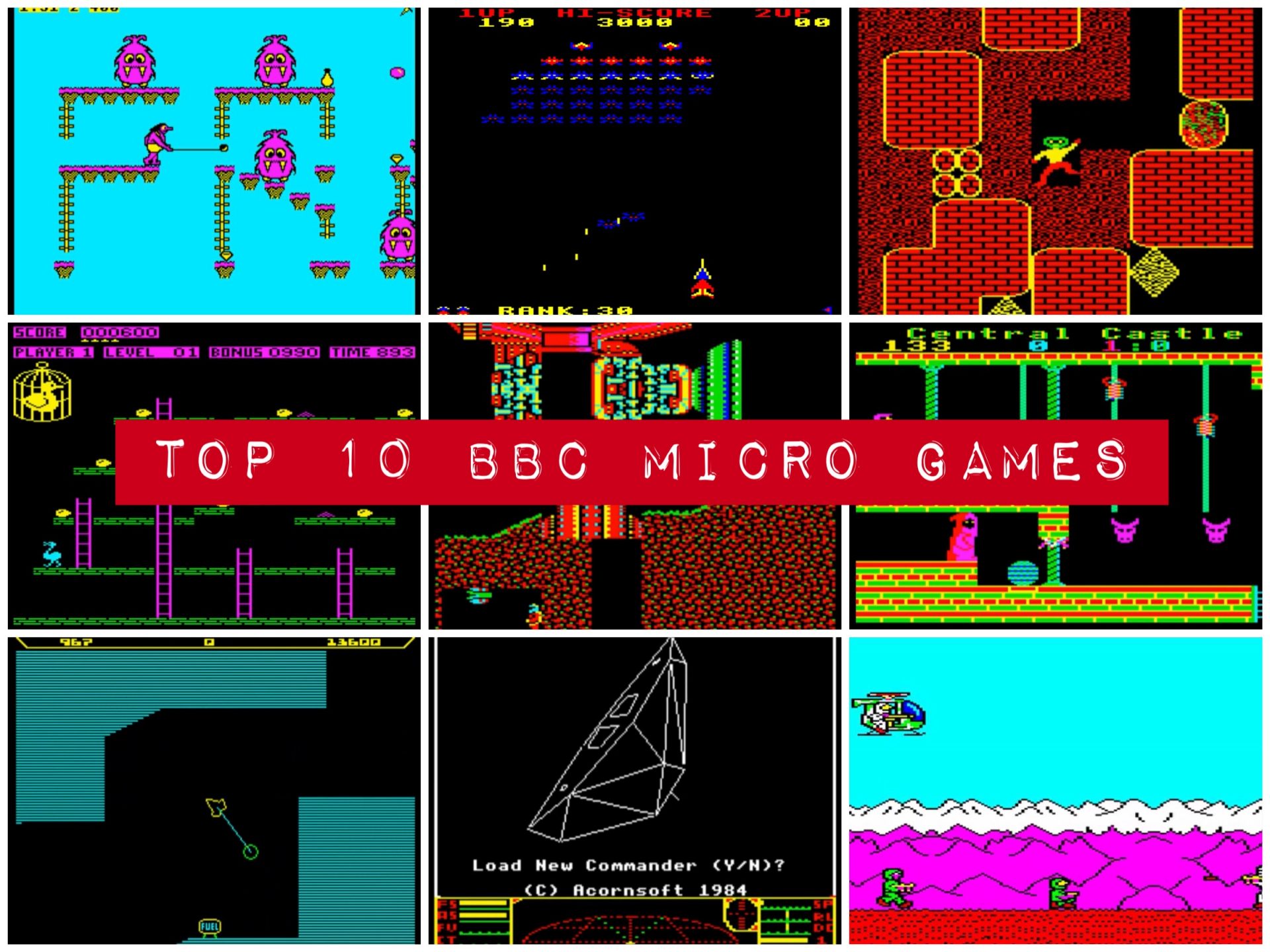
My top 10 BBC Micro games, from Killer Gorilla and Chuckie Egg to Exile and Elite, plus the ones that nearly made it and how to play them today.

Snapper retro game review for the BBC Micro
Pac Man has been ported to a number of home platforms, some better than others, but Snapper on the BBC Micro was an almost perfect clone
My BBC Micro Model B Restoration Project
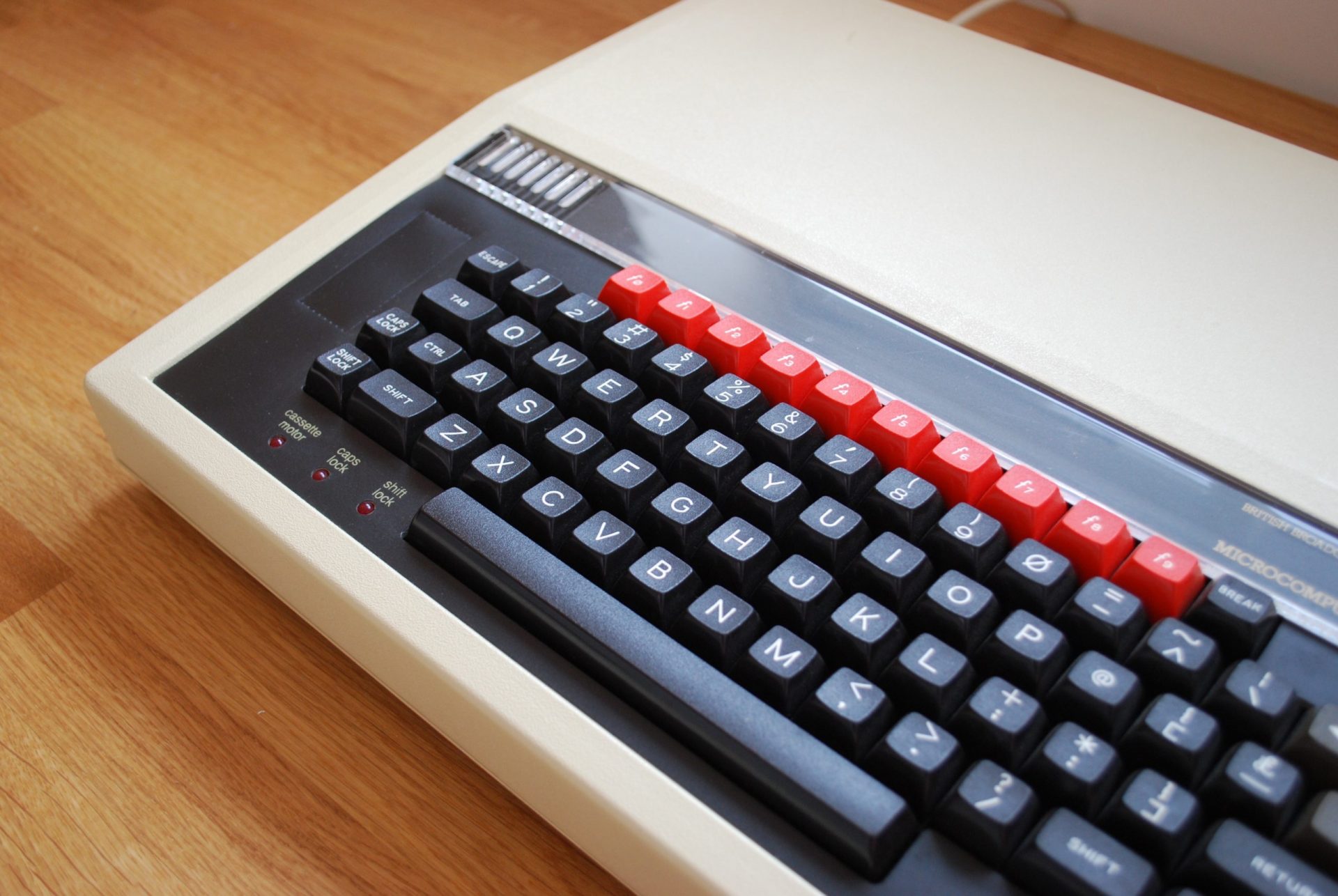
The BBC Micro was one of the first home computers with arcade quality graphics, see how I modified mine with a solid state gaming drive
Comments